Economy home decor does not mean filling your apartment with sad gray storage cubes and calling it minimalist. It means spending carefully, noticing proportion, and refusing to pay $900 for a side table because somebody photographed it beside a lemon branch. I have decorated four New York apartments, made plenty of bad purchases, and learned that a room can look thoughtful without looking expensive. Taste is free. Everything else, we thrift.
Start with the room you actually have
Before shopping, stand in the middle of the room and identify the three things that are working against you. In my first East Village studio, it was a too-small rug, a ceiling light that made everyone look seasick, and six little pieces of furniture scattered like nervous birds. I wanted more decor. I needed fewer, larger decisions.
Measure the wall, doorway, and floor area before opening Facebook Marketplace. A six-foot sofa can look generous in a listing and become an immovable upholstered boulder in a narrow walk-up. Take a photo from each corner, then mark the furniture footprint with painter's tape. This costs nothing and prevents the $40 mistake of transporting a bookshelf that blocks your only window.
For economy home decor, a simple plan is more valuable than a cart full of accessories. Choose one anchor first: a sofa, dining table, bed, or large art piece. Then add around it. If the anchor is secondhand, even better. A room with one sturdy oak table and two lamps usually feels more finished than a room with twenty tiny objects bought in a panic.
Where I actually find the good stuff
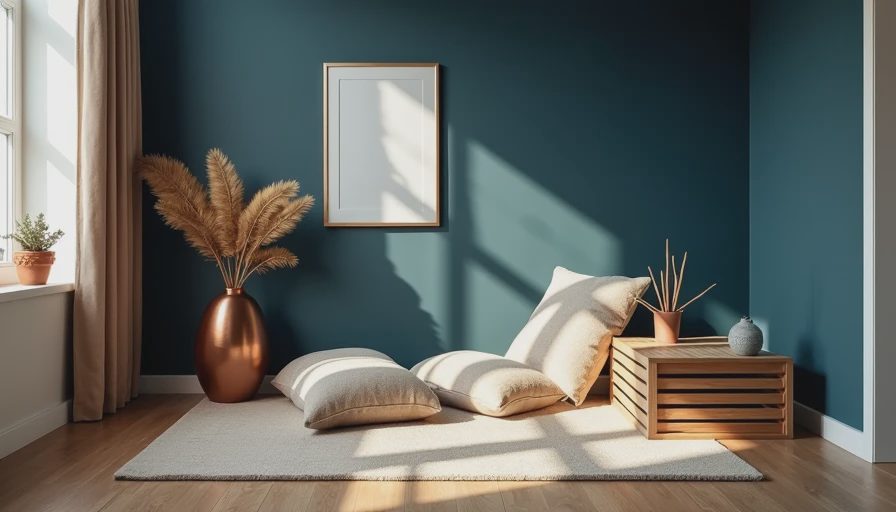
Facebook Marketplace is excellent for solid wood tables, lamps, dressers, and older chairs. Search by construction rather than style: oak, walnut, bentwood, rattan, brass, or vintage. Sellers often do not know the design vocabulary, which is good news. “Old dining chairs” can be cheaper than “mid-century dining chairs,” even when the furniture is nearly identical.
Thrift stores reward patience, but they punish vague shopping. I bring a tape measure, a small flashlight, and a photo of my room. I inspect drawer joints, wobble the legs, look underneath for water damage, and sit in every upholstered chair. A $25 chair with a loose frame is not economy home decor; it is a $25 appointment with a repair shop.
My best flea-market purchase was a painted pine cabinet for $75. The finish was ugly mustard, but the doors were straight and the hardware worked. Two coats of deep blue paint and new $8 pulls turned it into the cabinet we still use six years later. My worst purchase was a $60 veneer nightstand that bubbled after one damp summer. I should have looked at the swollen edge before handing over the money.
Paint does more work than accessories
Paint is the closest thing to a room transformation button, but only if you test it. I once chose a pale beige from a tiny paper swatch and spent a weekend repainting after it turned pink beside our brick wall. Buy sample pots, paint large squares, and watch them in morning, afternoon, and lamp light. A $12 sample can save a $60 gallon and an entire Sunday.
For economy home decor, color does not need to cover every wall. Painting the back of a bookcase, the inside of a closet door, or a narrow entry wall can create a strong visual moment with one quart. I used a smoky green on the lower half of our dining room wall and left the upper half warm white. The room instantly had structure, even before we hung anything.
Use sheen practically. Matte hides wall flaws but marks easily in busy hallways. Eggshell is more forgiving in living rooms and bedrooms. For trim, satin is easier to wipe clean than flat paint. I would rather see a well-painted $30 thrifted dresser than a pricey cabinet surrounded by undecided beige walls.
The three purchases worth prioritizing
If your budget is limited, put money into comfort, light, and scale. A sofa should survive sitting, napping, and at least one accidental juice incident. Check the frame, cushions, smell, and underside before buying used upholstery. I have lived with a $300 secondhand sofa for four years; it has held up better than a new flat-packed loveseat that lost its shape in six months.
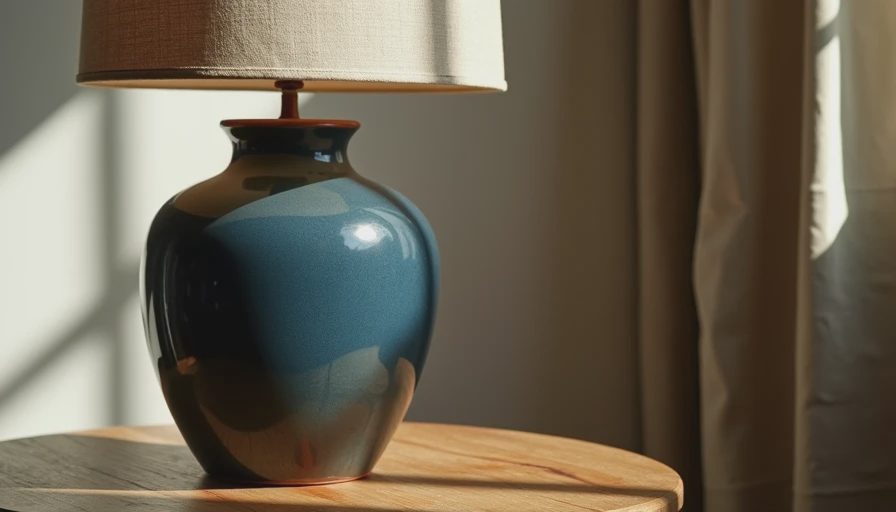
Lighting changes a room after sunset. Skip the matching lamp set and buy two lamps with related colors or materials instead. A thrifted ceramic lamp paired with a simple black floor lamp feels intentional without looking like a furniture showroom. Replace damaged cords and use the correct bulb wattage. Do not use a questionable vintage electrical fixture just because it photographs beautifully.
Then consider the rug. The common mistake is buying one that is too small, usually because the larger size costs more. In a living room, at least the front legs of major seating should sit on the rug. If that price is impossible, skip the tiny rug and use a larger flat-weave runner in a narrow room. Economy home decor works better when you buy one correctly sized textile than three postage-stamp mats.
Make inexpensive rooms feel personal
The fastest way to make a budget room look generic is to buy every object from the same store on the same afternoon. Mix eras and textures. Put a modern print above an old dresser. Pair a smooth glass lamp with a rough wood stool. Let a slightly strange object stay if it makes you smile. My brass duck weighs too much, serves no practical purpose, and has survived three moves. It earns its shelf.
Art does not need to be expensive or famous. Frame a page from an old botanical book, a child’s drawing, a postcard, or a $10 reproduction you genuinely like. I have used inexpensive frames from estate sales, then painted them the same color so the arrangement feels connected. Measure the wall before hanging, and keep the gaps consistent. A gallery wall does not need military precision, but it does need a plan.
Plants are useful when you can keep them alive, not because every room requires a jungle. One healthy pothos in a thrifted pot beats six crispy plants on a windowsill. In darker apartments, choose forgiving varieties and rotate them toward the light. Economy home decor should make daily life easier, not create another list of chores.
A shopping plan that prevents regret
Give yourself a 48-hour pause for anything over $75. Save the listing, measure the space, and ask what will leave the room if the new item comes in. This rule stopped me from buying a beautiful but enormous velvet chair that would have blocked the radiator. A deal is not a deal when it prevents the room from functioning.
Keep a small running list with four columns: item, maximum price, acceptable substitutes, and measurements. Mine might say “floor lamp, $60, arc or tripod, under 16 inches wide.” That list keeps me from buying the first vaguely attractive lamp I see. It also makes secondhand shopping faster because I know what problem I am solving.
For economy home decor, repair before replacing when the structure is sound. Wash slipcovers, tighten screws, oil dry wood, replace drawer pulls, and sew a small seam. Spend $14 on a can of furniture wax before spending $400 on a replacement. But do not romanticize junk. If particleboard is swollen, a frame is cracked, or an electrical cord is unsafe, walk away.
What a realistic budget can do
A $200 refresh can cover paint samples and a gallon of paint for about $45 to $70, a thrifted lamp for $20 to $40, hardware for $10 to $20, and one useful textile or frame. That is enough to change the mood of a bedroom or entryway. A $500 budget can add a secondhand table, better lighting, and a correctly sized rug if you shop slowly.
The goal is not to make a rental look like a catalog. It is to make the room support your life: a table that can take homework, a lamp that makes reading pleasant, and a sofa that does not punish you for sitting down. The strongest economy home decor is useful first and pretty because it is useful.
Start with one room, one measurement session, and one honest priority. Do not buy filler while waiting for the perfect table. Let the room look slightly unfinished until the right thing appears. That patience is where the savings are, and it is also how a home begins to look like yours.



Letters
No letters yet — be the first to write.