The first chalk paint recipe I tried turned a $35 Facebook Marketplace nightstand into something with the texture of sidewalk chalk and the durability of a cracker. I was annoyed, but not surprised. Homemade paint is not magic, and slapping powder into leftover wall paint does not automatically create a charming European finish. After several ugly test boards, one cabinet door, and a small table named Linda, I found a version that gives thrifted furniture a soft, matte surface without spending $40 on specialty paint.
This is the chalk paint recipe I use for low-cost furniture makeovers: one cup of flat or matte latex paint, two tablespoons of calcium carbonate powder, and one tablespoon of water if the mixture needs loosening. It brushes smoothly, grips reasonably well, and sands into a gentle worn edge. It is best for dressers, side tables, shelves, and decorative cabinets rather than a kitchen island that will be attacked by wet hands every morning.
My chalk paint recipe and the supplies you need
Start with one cup of latex or acrylic paint in a flat, matte, or eggshell finish. I prefer matte because it needs less convincing before the powder goes in. Satin can work, but it often produces a slightly slicker mixture. Choose calcium carbonate powder, sometimes sold as chalk powder or calcium carbonate supplement powder. Read the label instead of grabbing a random bag of construction material; you want plain calcium carbonate without extra ingredients.
The ratio is simple: one cup paint to two level tablespoons calcium carbonate. Put the powder into a small bowl first and break up any lumps with the back of a spoon. Add a few spoonfuls of paint, stir that into a smooth paste, and then mix in the rest. This prevents the little white pebbles that otherwise appear halfway across your drawer front. Let the paint sit for five minutes, then stir again. Add water one teaspoon at a time only when the brush drags.
You can make a smaller batch with half a cup of paint and one tablespoon of powder. Do not mix an entire quart on your first attempt. Paint changes from brand to brand, and wasting three dollars is much less painful than wasting a whole can of custom-mixed blue.
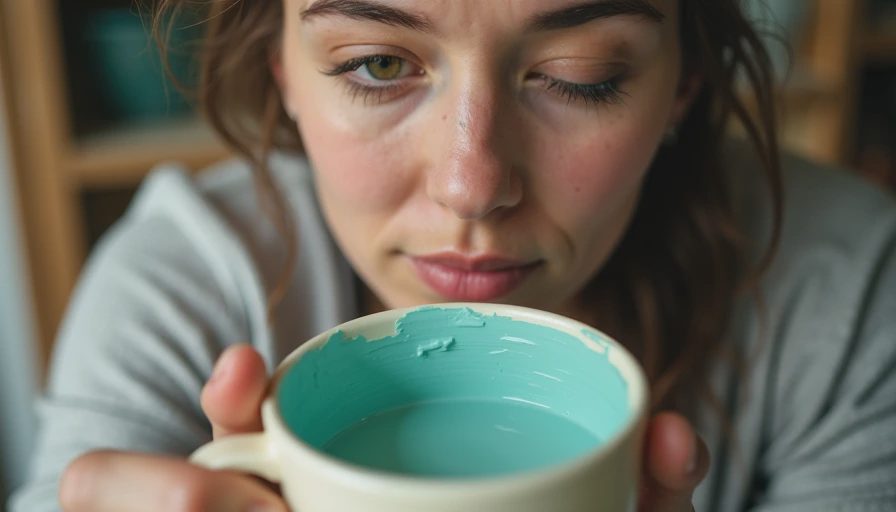
How to use this chalk paint recipe without skipping the boring part
Chalk-style paint is forgiving, not bulletproof. Remove hardware, vacuum dust from corners, and wipe the piece with a degreaser. A thrifted nightstand can carry years of cooking grease, candle wax, and furniture polish even when it looks clean. I use a damp cloth with diluted dish soap for ordinary dirt, followed by clean water and a full drying period.
If the surface is glossy, scuffed, or previously sealed with unknown varnish, sand it lightly with 180- or 220-grit paper. You are not trying to remove the old finish. You are giving the new coating something to hold. Sand peeling edges smooth, and prime knots or dark stains with a stain-blocking primer. The chalk powder will not stop tannins from bleeding through white paint. I learned that on a pine dresser, which developed orange freckles two days after I declared it finished.
Apply thin coats with a synthetic brush. The first coat can look patchy, especially over dark wood; that is normal. Wait until it is dry to the touch, usually about an hour in a warm room, before adding the second coat. Thick paint looks faster but dries with ridges and takes forever to cure. Two thin coats beat one lumpy coat every time.
Troubleshooting this chalk paint recipe
If the mixture feels gritty, the powder was not incorporated well or the product is too coarse. Strain the paint through a fine mesh filter, or mix a fresh batch with a smoother powder. If brush marks are severe, add a teaspoon of water and use a better brush. Do not keep pouring in water; eventually you will have tinted soup with no hiding power.
If the paint separates while it sits, stir it thoroughly before each use. Homemade paint has no factory stabilizers, so a little settling is expected. If it smells sour, develops a skin, or stays tacky overnight, discard it. Paint that never dries is not a vintage finish. It is a future argument with your fingerprints.
Some makers use baking soda instead of calcium carbonate. It is inexpensive and easy to find, but it creates a slightly grittier finish and can feel draggy under the brush. Plaster of Paris is another common substitute. I reserve it for decorative pieces because the mixture can become stiff quickly. For a first project, calcium carbonate gives the most predictable result.

Sealing and living with the finished piece
Once the final coat is dry, leave the furniture alone for at least 24 hours before sealing. Dry is not the same as cured. For a side table or dresser, I like a water-based matte polyurethane because it dries clear and does not add the yellow cast that some oil finishes create over pale colors. Apply two or three thin coats, lightly sanding between coats when the label recommends it.
Furniture wax gives a pleasant hand-rubbed feel and works well on a mirror frame, picture frame, or lightly used accent table. I do not choose wax for a dining table, bathroom vanity, or anything likely to meet wet glasses. Wax can be refreshed, but it is not a substitute for a hard protective topcoat. A clear coat also makes cleaning easier when your family includes children, pets, or both.
For distressing, sand only the places that would naturally receive contact: drawer pulls, corners, feet, and the front edge of a tabletop. I use 220-grit paper and stop as soon as the underlayer appears. Sanding every edge makes a piece look manufactured for a fake farmhouse store. The best worn finish suggests a history without shouting, “I attacked this with sandpaper on purpose.”
What this chalk paint recipe costs compared with store paint
My last small batch cost about $6.50. The paint was leftover from a wall project, and the calcium carbonate was roughly $10 for a container that will cover many batches. Even if you buy a sample-size paint, the total usually lands below $15. A quart of branded chalk paint can cost $30 to $45 before wax or topcoat, which is not automatically a bad purchase, but it is a different budget decision.
The homemade version also lets you use colors you already own. I mixed a muted green from leftover wall paint for a $20 plant stand, then used the remaining paint on a small frame. The finish was matte and slightly brushy in a way I liked. It did not look factory-perfect, and that was the point. A thrifted piece should still have a little evidence that a person touched it.
My honest verdict after months of use
This chalk paint recipe is worth using when you want a low-cost matte finish and you are willing to prep properly. It is not a shortcut around cleaning, sanding, drying, or sealing. It will not turn laminate into solid wood, hide deep water damage, or make a flimsy particleboard cabinet heirloom furniture. Paint can improve an object; it cannot give it better construction.
After six months, Linda the side table still looks good beside the sofa. The top has a few tiny marks from mugs, but the sealed surface wipes clean, and the edges have not peeled. I would use the same method on a dresser, bookshelf, or flea-market chair frame. For a heavily used kitchen surface, I would buy a durable cabinet paint instead and accept the higher price.
If your project is small, test the chalk paint recipe on the back or underside first. Give it a day, add your intended sealer, and see how the color and texture change. That ten-minute test can save a weekend. Taste is free. Everything else, we thrift.


Letters
No letters yet — be the first to write.