The first time I tried to rescue a half-dried gallon of paint, I treated it like pancake batter. More water, more stirring, problem solved. The result was pale, drippy wall paint that looked like I had washed the color on with a sponge. Learning how to thin latex paint properly is less about dumping in a magic amount of water and more about knowing why the paint is thick, where it is going, and how much coverage you are willing to sacrifice.
For most ordinary wall painting with a roller or brush, you should not thin fresh latex paint at all. It is already formulated to spread at the intended thickness. Thinning becomes useful when old paint has lost water, when you are using a sprayer, or when the label specifically permits it. The cheap fix is clean water, added slowly. The expensive mistake is adding too much and then buying a second gallon to cover the streaks.
Check the Paint Before Adding Anything
Open the can and inspect the surface. A thin skin on top is normal after storage; lift it out rather than stirring it into the paint. Stir from the bottom with a paint paddle for several minutes, scraping the corners where pigment settles. If the paint becomes smooth and flows off the stick in a steady ribbon, it may be ready to use.
Paint that smells sour, has rubbery chunks, or refuses to blend after vigorous stirring is probably spoiled, not merely thick. Water will not resurrect it. I once spent an entire Saturday forcing a lumpy quart of pale green paint through a strainer because I wanted to save the $18. The wall looked like it had freckles. That was not thrift; that was paying twice for the privilege of being stubborn.
Check the label before learning how to thin latex paint for a particular project. Some paints are designed for brush and roller application only, while others include spray instructions. The manufacturer may also specify a maximum amount of water. Keep the can, label, and product name handy instead of guessing from a random internet ratio.
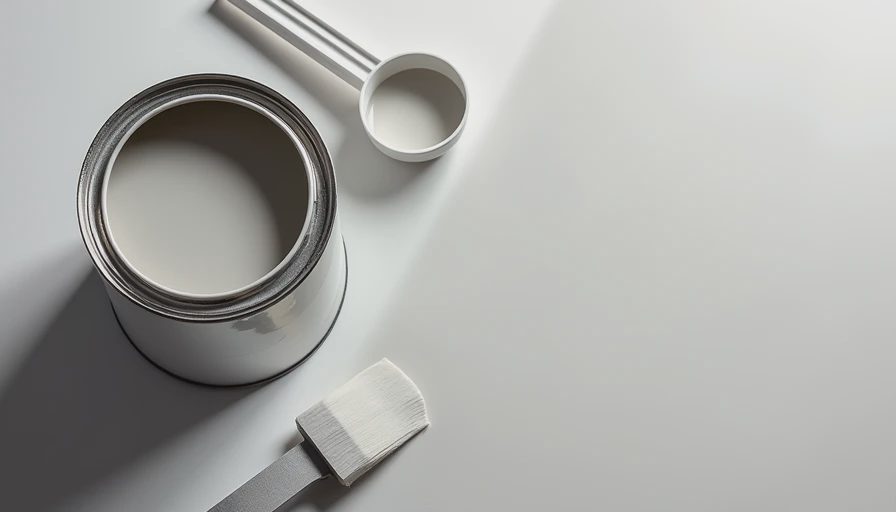
How to Thin Latex Paint With Water
Use room-temperature, clean tap water and a separate mixing container. Do not thin the entire gallon immediately. Pour about one quart into a clean bucket, then add a small amount of water. A practical starting point is one or two tablespoons per quart of paint, or roughly one-quarter cup per gallon, but the label has the final say. Stir completely before deciding whether more is needed.
The paint should still look opaque and have body. When you lift the paddle, it should run smoothly without looking watery or separating. If it resembles colored milk, you went too far. Add a little unthinned paint back into the bucket and mix thoroughly. This is why I use a test batch instead of gambling with the whole can.
For how to thin latex paint when using a handheld or airless sprayer, follow the sprayer and paint instructions together. Spraying often needs a different viscosity than rolling, but too much water can cause poor hiding, runs, overspray, and a weak film. Strain the mixture through a paint filter before loading the sprayer if you see small particles or dried bits. A $3 filter is cheaper than unclogging a nozzle.
Test the Mixture Before Painting the Room
Testing is the part people skip right before regretting it. Apply the mixture to a scrap of primed drywall, cardboard, or a hidden area of the wall. Use the same tool you plan to use for the room. Let it dry completely, because wet latex paint often looks more opaque and darker than it will after drying.
Look for coverage, texture, and sheen. If the test patch shows the old color after one coat, the paint is too thin for that surface or the color change is too dramatic. If it dries with roller marks, sagging edges, or a dull spot beside the original finish, stop adjusting and rethink the mixture. Two thin coats can work beautifully, but a watery coat does not become professional just because it is followed by another watery coat.
When I am figuring out how to thin latex paint for trim or a small furniture project, I usually decide not to thin it. A good synthetic brush and a light touch give better control than diluted paint. For a sprayer, thinning may be necessary, but I test spray patterns on cardboard first. The fan should be even, with no large droplets at the edges.

Common Mistakes That Waste Paint
Never use mineral spirits, paint thinner, acetone, or hardware-store solvent in latex paint. Those products are not substitutes for water and can ruin the binder, create separation, or leave a finish that does not cure correctly. Latex paint is water-based, so clean water is the appropriate thinner when thinning is allowed.
Another mistake is adding water because the paint feels difficult to roll. Thick paint can result from a cold garage, a dirty roller, an overloaded brush, or a wall with too much texture. Bring the paint indoors and let it reach room temperature. Use a quality roller cover suited to the surface, and do not keep working paint after it has started to tack up. I have blamed thick paint for a cheap, shedding roller more than once.
Do not use a paint conditioner as a universal thinning solution. Products such as Floetrol are designed to improve flow and reduce brush or spray marks, but they are additives with their own directions, not simply bottled water. They can be useful for certain applications, though I would not add one to a whole can without testing first.
A Simple Rescue Plan for Old Paint
If your paint is slightly thick but still smells normal and mixes smoothly, pour a small amount into a clean bucket. Remove any skin or chunks, stir it thoroughly, and add water in small increments. After each addition, wait a minute and mix again. Brush a test patch and let it dry before making another adjustment.
For how to thin latex paint that has been stored for several months, expect the color and finish to remain consistent only if the paint was sealed well and protected from freezing. Paint that froze can become permanently grainy. Paint with a thin layer of clear liquid on top is not automatically bad; mix it back in and judge the texture. A paint strainer can catch debris, but it cannot fix spoiled paint.
Write the amount of water you added on masking tape and place it on the bucket. This small note saves guesswork when you need a second batch. If you added one-quarter cup to a gallon and the test worked, repeat that ratio rather than free-pouring the next container.
My Budget-Friendly Verdict
The best answer to how to thin latex paint is usually: use less water than you think, and only when the product needs it. Fresh wall paint applied by roller should generally stay unthinned. Slightly old paint can often be adjusted with clean water, patience, and a test patch. Spraying requires closer attention to viscosity and equipment instructions.
Spend money on a decent paddle, a clean bucket, a paint filter, and a roller that does not shed. Those purchases will do more for the finish than a mysterious additive bought because someone online promised a flawless result. If the paint is sour, rubbery, or permanently lumpy, throw it out and start with a fresh quart rather than turning a small saving into an entire weekend of repair.
I have painted enough apartments to know that the glamorous part is choosing the color. The useful part is stirring properly, testing first, and refusing to panic when the paint looks a little thick. Taste is free. Everything else, we thrift.



Letters
No letters yet — be the first to write.