Antique round dining room tables are one of my favorite ways to make a small apartment feel less like a collection of corners. Nobody gets stranded at the far end, conversation moves easily, and the shape is forgiving when your chairs do not match perfectly. I know this because our current table, Harold, has survived eight years, two children, one cat, and countless bowls of pancake batter. He cost $280 on Facebook Marketplace. The chairs cost more than he did, which is a separate cautionary tale.
If you are shopping for antique round dining room tables, do not begin with the finish. Begin with the structure, the room measurements, and the kind of daily mess you are willing to live with. A gorgeous table that wobbles every time someone reaches for the salt is not a bargain. It is a future bonfire with paperwork.
Why the Round Shape Earns Its Floor Space
A round table is especially useful in apartments, narrow dining zones, and open-plan rooms where sharp corners create traffic problems. A 42-inch diameter table seats four comfortably. A 48-inch version handles four generously or six when everyone is willing to scoot in. Once you reach 60 inches, you have a real dinner-party table, but you also need enough clearance for chairs and walking paths.
My practical rule is to leave about 36 inches between the table edge and the nearest wall, cabinet, or radiator. Tape the circle on your floor before shopping. I once bought a 54-inch table for our old Crown Heights apartment because the listing photos made it look modest. The table was not modest. It was a wooden aircraft carrier, and every person entering the room had to perform a sideways shuffle.
The best antique round dining room tables have a pedestal or a central base, so diners are not fighting four legs for knee space. A pedestal also lets you add an extra chair without discovering that one guest has been assigned the table leg.
How to Tell a Solid Find From a Pretty Problem
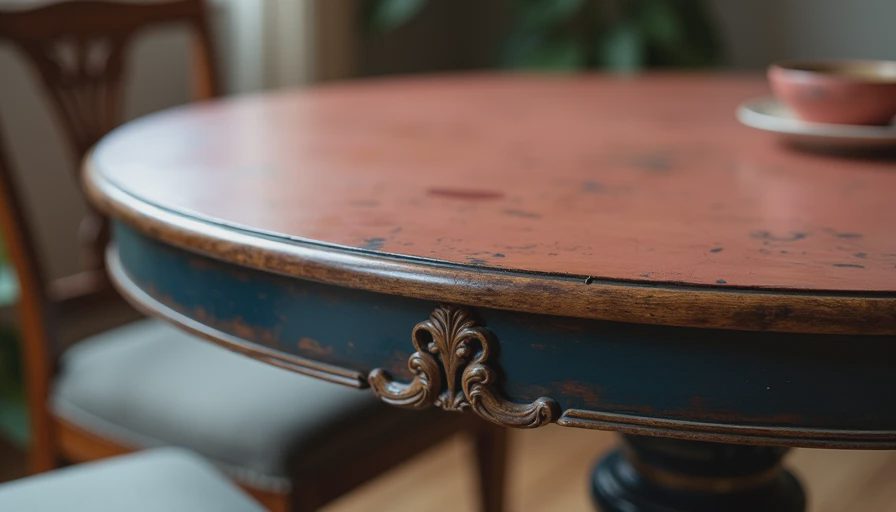
Look underneath before you admire the top. Run your hand along the underside and inspect the joints where the legs meet the apron or pedestal. Tight wooden joinery, old repair marks, and a little unevenness are normal. Fresh cracks radiating from a screw, loose blocks, or a base that shifts when you push it are reasons to negotiate hard or walk away.
Bring a small flashlight and a tape measure. Check whether the top is solid wood, veneer, or a composite material. Veneer is not automatically bad; quality veneer can look beautiful and last for decades. What you do not want is peeling veneer around the edge, deep water damage, or a top so thin that refinishing would expose the substrate.
Smell matters, too. A musty odor can come from a damp basement and might disappear after cleaning, but strong smoke or pet odor can be stubborn. Ask whether the table has lived in a garage, attic, or climate-controlled home. Sellers do not always know the answer, but their reaction can tell you whether they are being straightforward.
I also tap the surface lightly. A consistent, solid sound is reassuring. A hollow or rattling section suggests loose boards or a damaged support. This is not a scientific test; it is simply better than falling in love with the photograph and discovering the table is held together by optimism.
The Price Reality, From Thrift Store to Dealer
Antique round dining room tables can cost $150 at a thrift store, $300 to $700 on Facebook Marketplace, or well over $1,000 from a dealer who has cleaned, repaired, and documented the piece. That higher price is not automatically a scam. You are paying for labor, storage, delivery, and somebody else’s willingness to deal with woodworm, missing leaves, and mysterious old glue.
My favorite buying range is $250 to $500. At that price, the table should be structurally sound but cosmetically imperfect. Scratched finish, faded stain, and one mismatched repair are useful bargaining points. A damaged pedestal or badly warped top is not a charming flaw; it is a repair bill.
When I bought Harold, the listing said “vintage dining table,” not antique, and the finish was cloudy around the center. I negotiated from $350 to $280 because I could see the seller had already moved it outside for pickup. Six hours of gentle cleaning and two coats of hard-wax oil made the surface handsome again. I did not strip it to bare wood, because I have children and a job and enjoy having weekends.
Styling Antique Round Dining Room Tables Without Making a Museum
The easiest mistake is surrounding an old table with a full set of old chairs. The room starts looking like a period restaurant, and not the good kind. I prefer contrast: a worn oak table with simple painted chairs, bentwood seats, or two vintage chairs mixed with two inexpensive new ones.
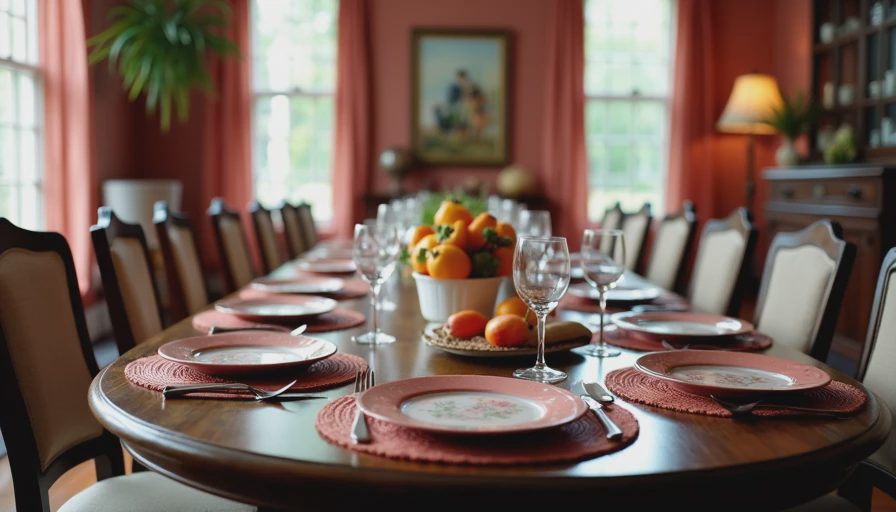
Keep the centerpiece low. A shallow bowl, a small vase, or a stack of art books works better than a tall arrangement that blocks everyone’s face. For everyday use, I keep a thrifted stoneware bowl in the center and move it when dinner starts. Linen is lovely, but washable cotton is more realistic when tomato sauce is involved.
Lighting deserves more attention than the centerpiece. A pendant should hang low enough to make the table feel anchored but high enough that nobody bumps it while standing. In our apartment, a $42 secondhand brass fixture did more for the dining area than a $200 rug would have. The rug would also have been immediately attacked by Gouache, who considers fringe a personal challenge.
Repairs You Can Actually Do at Home
Small problems are manageable. Tighten loose screws, replace missing felt glides, and clean the surface with a mild solution rather than soaking it. For a cloudy finish, test a small hidden area with a suitable furniture polish or paste wax. Always follow the product directions and stop if the finish becomes sticky or discolored.
A loose wooden joint can sometimes be improved with wood glue and clamps, but do not force a split back together if the surrounding wood is cracked. That is where a local furniture repair shop earns its money. Basic tightening might cost $40 to $100; refinishing can run several hundred dollars, depending on the size and condition. If a $300 table needs $900 of work, it is no longer the inexpensive table you imagined.
Do not sand aggressively just because the top has water rings. Many older tables have thin veneer, and one enthusiastic afternoon with an orbital sander can erase it. I learned this on a sideboard, not a table, but the shame remains educational.
My Shopping Checklist for a Table You Will Keep
Before handing over money, measure the diameter, height, doorway, stairwell, and elevator. Ask whether the table has leaves and whether they store inside the table or separately. An extension mechanism that sticks is worth testing before pickup, not after you have carried the table up four flights.
Sit at it if possible. Put your knees under the apron, lean gently against the edge, and check for rocking. Photograph the underside, hardware, and any repairs before loading it. If you are buying antique round dining room tables online, request those photos directly; a seller who refuses basic detail is not saving you time.
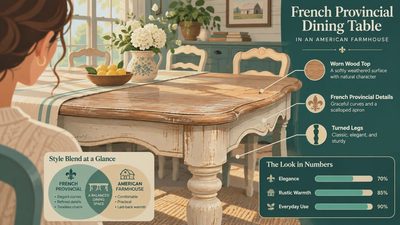
For a first purchase, I would choose a sturdy 42- to 48-inch pedestal table with a forgiving finish. Skip the fragile, highly polished showpiece unless you genuinely enjoy coasters as a lifestyle. The right antique round dining room tables should handle coffee, homework, takeout, and a birthday cake without making you afraid to use them.
Taste is free. Everything else, we thrift.



Letters
No letters yet — be the first to write.