Hygge interior design is supposed to make a home feel comfortable, welcoming, and usable, not like a beige showroom where nobody is allowed to eat toast. I learned that distinction after buying a $180 boucle pouf that looked charming online and collected every crumb my children dropped within three days. Real comfort comes from light, texture, useful furniture, and the small signs that people actually live there. You do not need a $4,000 sofa or a house in the woods. You need a better plan.
What hygge interior design actually means
The word hygge comes from Danish culture and is generally associated with coziness, togetherness, and enjoying ordinary moments. In a room, that can mean a reading lamp beside a worn chair, a blanket within reach, warm socks on a cold floor, or a dining table that welcomes a second cup of coffee. It is a feeling before it is a shopping list.
My biggest mistake was treating hygge interior design like a color palette. I painted our living room a pale mushroom shade, added cream curtains, and wondered why the whole space looked like an empty rental listing. The room needed contrast. A dark wood side table, a rust-colored pillow, and one green plant gave the soft colors somewhere to land. Cozy does not mean colorless. It means the room makes sense for the way you spend time in it.
Start by noticing what you already reach for. If everyone gathers near the window, place seating there instead of forcing the sofa against a wall. If books pile up beside the bed, add a basket or small stool. Design around evidence, not an imaginary version of yourself who reads beside a perfectly arranged candle every evening.
Build warmth with light and texture
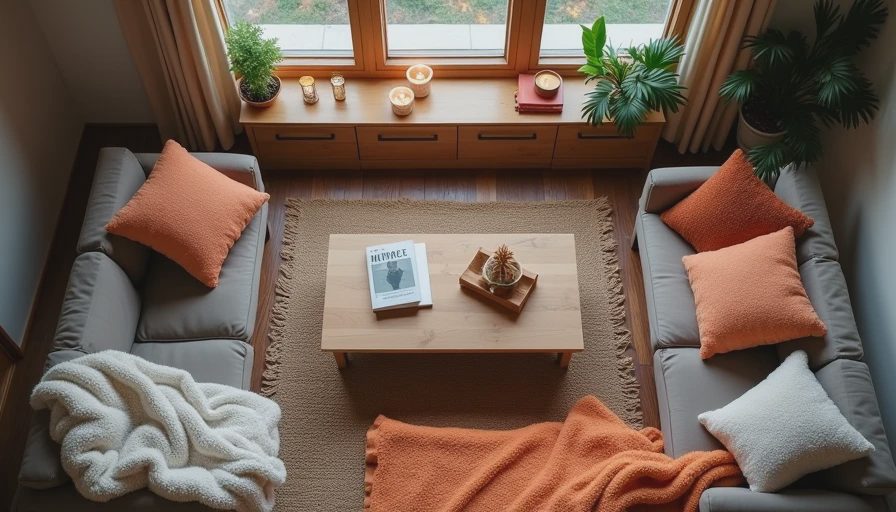
Lighting does more work than decorative objects, and it is where hygge interior design either succeeds or falls apart. One ceiling fixture cannot carry a room. I use a floor lamp beside the sofa, a small table lamp on the bookcase, and low candlelight when dinner runs late. A basic paper lantern from IKEA can soften harsh overhead light for roughly $20, while a thrifted ceramic lamp often costs $25 to $45. Replace an ugly shade before replacing the whole lamp.
Choose bulbs carefully. Warm white bulbs around 2700K create a gentler evening glow than bright daylight bulbs. I made the mistake of putting cool bulbs in every fixture because the package said “crisp and clean.” Our apartment looked like a dental office. The bulbs cost less than $10 to replace, but the improvement was immediate.
Texture keeps neutral rooms from feeling flat. Combine a cotton throw, a wool-look rug, linen-blend curtains, and a wooden tray rather than buying ten matching accessories. A $12 thrift-store basket can hold toys, blankets, or the mail that otherwise migrates across every surface. Texture should solve a problem as well as look good.
Shop for the feeling, not the label
Hygge interior design does not require Scandinavian-branded furniture. In fact, buying a full matching set is the fastest way to make a room feel staged. Look for sturdy shapes and materials you can live with. Facebook Marketplace is excellent for solid wood tables, older lamps, wool rugs, and plain bookcases. I bought our dining table for $140 after inspecting the underside, checking for wobble, and measuring the stairwell first. It has survived eight years, two children, and one memorable slime incident.
At thrift stores, check drawers, joints, upholstery seams, and odors. Sit on chairs before buying them. For upholstered pieces, inspect underneath and avoid anything with water stains, pest evidence, or a smell that remains after airing out. A $35 chair is not a bargain if professional cleaning costs $150. I once carried home a velvet armchair for $60 and spent another $90 removing a mystery scent. It was still cheaper than new furniture, but I would not repeat the experiment.
Mix old and new deliberately. A secondhand table can sit beside a modern lamp. A mass-market sofa can look more personal with a vintage quilt and an oversized framed print. Taste is free. Everything else, we thrift.

Make a small room feel restful
In a city apartment, hygge interior design has to handle clutter, narrow windows, and furniture that performs several jobs. Begin with one clear landing zone near the door: a hook rail, a tray for keys, and a basket for shoes. This prevents the entire room from becoming the landing zone, which is how my living room ended up containing three backpacks, a bike helmet, and a single tap shoe for six weeks.
Use furniture with breathing room around it. A rug that is too small makes every piece look stranded, so choose the largest size your budget and floor plan can handle. If a full-size rug is impossible, use a smaller one under the coffee table and keep the front legs of the sofa close to its edge. Do not float a tiny rug in the center like an island.
For storage, favor closed pieces for visual noise and open shelves for objects you enjoy seeing. A low cabinet can hide games and chargers while a shelf displays books, pottery, or a framed drawing. Leave some empty space. Cozy is not the same as crowded, and a room cannot feel restful when every surface is asking to be dusted.
Use color without losing calm
The safest route to hygge interior design is not covering everything in white. Start with a warm base: soft cream, muted clay, tobacco, olive, dusty blue, or a gentle brown. Then repeat two or three colors around the room. My living room has cream walls, walnut furniture, faded red accents, and leafy green. The repetition makes thrifted objects look related even though none came from the same store.
Paint samples are cheap insurance. Test them beside the window, near a lamp, and on the wall opposite the light. A color that looked warm in the paint aisle turned pink in our north-facing room. I lived with the sample for four days before choosing a quieter beige. That tiny test saved me from repainting 400 square feet.
If you rent, bring in color through curtains, art, blankets, books, and removable lampshades. One large piece usually works better than many tiny accents. A rust-colored quilt on a sofa can do more than twelve decorative pillows, and it is useful when someone gets cold.
A practical weekend makeover plan
Hygge interior design becomes much easier when you stop trying to finish the entire home at once. On Saturday morning, remove anything broken, uncomfortable, or unrelated to the room. Put questionable items in a box for one week instead of making dramatic decisions at midnight. Then move the largest furniture into a layout that supports conversation and clear walking paths.
On Saturday afternoon, improve the lighting and shop your own storage. Group books by use or color, put loose objects in baskets, and remove decor from surfaces that need to function. On Sunday, add one textile, one plant or branch, and one personal object with a real story. My favorite framed print cost $8 at a neighborhood sale; the frame was more expensive than the art, but both have lasted for years.
Finish by sitting in the room for twenty minutes without changing anything. Is the lamp reachable? Can someone set down a mug? Does the chair make you want to stay? Those answers matter more than whether the room photographs well. Good hygge interior design supports ordinary life: homework, takeout, laundry folding, quiet mornings, and friends who put their feet on the coffee table. Spend slowly, buy nothing out of panic, and let the room collect proof that you live there.



Letters
No letters yet — be the first to write.