I have burned enough candles in small Brooklyn rooms to know that “clean” is not the same as a beige jar with a linen label. The cleanest burning candles still need the right wax, wick, fragrance load, and basic care. I learned that after buying a beautiful $38 candle that smoked like a tiny chimney and left a black ring around the ceiling above my mantel.
My apartment has old windows, two kids, one cat, and approximately zero interest in smelling like a hotel lobby. I want a candle that gives off a warm scent, burns evenly, and does not turn the coffee table into a soot experiment. Here is what has held up after months of actual use, plus what I would skip with my own money.
What makes a candle burn cleanly?
The cleanest burning candles usually have a properly sized cotton or paper-core wick, a wax blend that matches the container, and fragrance oils used at a sensible level. “Natural” on the label is not a guarantee. A poorly wicked soy candle can smoke more than a well-made paraffin blend, while an inexpensive candle can burn neatly if its formula is balanced.
Soot usually comes from an overly long wick, a draft, an overloaded fragrance formula, or a flame that is too large for the jar. Trim the wick to about one-quarter inch before each burn. That tiny step matters more than the word “clean” printed on the front. I keep a $4 wick trimmer in the drawer beside my matches, although nail clippers work perfectly well.
Look for a full ingredient label or clear information about the wax, wick, and fragrance. A manufacturer that explains its materials is giving you more useful information than one that simply adds botanical artwork to the vessel. The cleanest burning candles are designed, not just marketed.
Soy, beeswax, coconut, or paraffin?
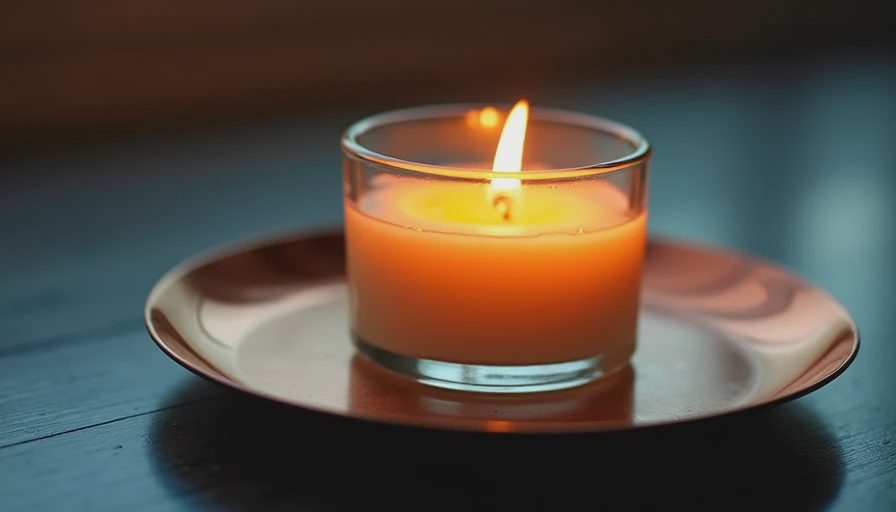
Soy wax is popular because it is plant-based and often burns slowly with a soft, low flame. It can also frost, tunnel, or struggle in a cold room if the formula is not well made. Coconut wax is creamy and usually holds scent beautifully, but many “coconut wax” candles are actually blends, which is completely normal. I prefer a coconut-soy blend when the company states the percentage or at least identifies the other waxes.
Beeswax burns with very little fragrance unless it has been scented, so it is a good choice for someone who wants a gentle honey note rather than a candle that announces itself from the hallway. It is also more expensive, and pure beeswax can be fussy about wick size. Paraffin gets treated like a household villain, but it can produce a stable, attractive burn when properly formulated. I would take a well-made paraffin candle over a badly made soy candle every time.
For my home, the cleanest burning candles have been soy blends and coconut-soy blends from makers that publish practical burn instructions. The vessel and wick matter as much as the wax on the label.
Fragrance and indoor air: the part nobody photographs
A candle can burn without visible smoke and still be too intense for a small apartment. Strong fragrance is not automatically better fragrance. I once bought a “fig and cedar” candle that smelled pleasant in the store, then filled our entire floor-through with aggressive cologne in fifteen minutes. Gouache the cat left the room. Frankly, he had the right idea.
Choose candles with fragrance descriptions that sound like actual ingredients rather than a mood board. Cedar, bergamot, orange peel, clove, lavender, and vanilla tell you more than “moonlit sanctuary.” If you are sensitive to scent, avoid candles with very heavy perfume throw and burn them for shorter periods. The cleanest burning candles should make a room comfortable, not force everyone to discuss their sinuses.
Ventilation helps. Crack a window when practical, especially during a long burn, and never use a candle to cover smoke, mildew, or cooking odors. A candle is decoration with a flame, not an air purifier. That distinction is unglamorous but important.
My honest candle test after three months
When I test the cleanest burning candles, I do not judge them during the first ten minutes. I burn a new candle long enough for the melted wax pool to reach most of the container edge, usually two to four hours depending on its diameter. Then I watch the flame. It should be steady, not wildly dancing, mushrooming, or throwing black flakes into the wax.
After the candle cools, I check the container. A little discoloration near the wick is not a crisis, but heavy soot on the glass means the wick needs trimming or the formula is not behaving well. I also measure whether the candle tunnels. A deep hole around the wick wastes wax and shortens the useful life of a $20 to $40 purchase.
One practical test is the final third of the candle. Some candles burn beautifully at first and then become too hot as the glass fills with heat. Stop using any container when about one-half inch of wax remains. Do not try to scrape out the last puddle and turn the jar into a tealight holder unless the manufacturer specifically designed it for that purpose.
Budget picks without the decorative nonsense
You do not need a $75 candle to get a good burn. In the $12 to $25 range, look for a stable glass vessel, a centered wick, a readable label, and a return policy if the candle arrives damaged. Target, World Market, local refill shops, and small makers at neighborhood markets can all have worthwhile options. I have found better everyday candles at a local craft table than in a glossy boutique where the staff could not tell me the wax type.
The cleanest burning candles are often sold in simple jars because the money went into testing rather than packaging. I like unscented or lightly scented candles for the dining table and stronger scents in the entryway, where air moves more freely. A two-wick candle can fill a larger room, but it also creates more heat and needs closer attention.
Do not buy three large candles before testing one. Spend $15 to $25, burn it across several evenings, and see whether the scent works in your actual space. Store success is not apartment success. The tiny bathroom, the drafty bedroom, and the open living room all behave differently.
How to burn candles more safely
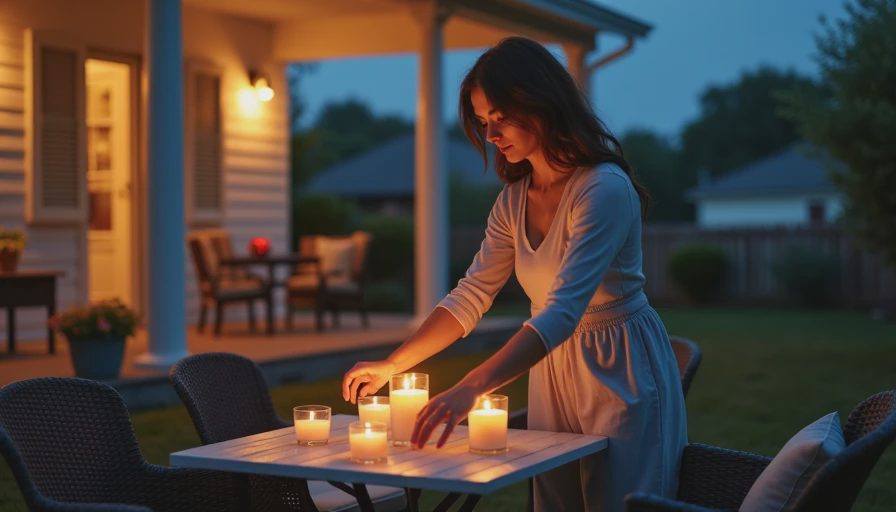
Place the candle on a heat-resistant surface away from curtains, books, paper, and a cat who believes every object belongs to him. Keep at least a few inches between burning candles so their heat does not combine. Never leave a flame unattended, and do not burn one while sleeping or when children are playing nearby.
Trim the wick before every use, keep the burn to the manufacturer’s recommended window, and extinguish it if the flame becomes unusually tall. A snuffer is less dramatic than blowing wax across the wall, though I still have one small wax dot on a painted shelf from 2018. Let the vessel cool before moving it.
My final choice is a modestly priced soy or coconut-soy blend with a cotton wick, a restrained scent, and clear instructions. That combination gives me the cleanest burning candles without asking my budget to perform a magic trick. Taste is free. Everything else, we thrift.


Letters
No letters yet — be the first to write.