I used to think bows with lace belonged on nursery curtains, holiday packages, or the sort of bed-and-breakfast where every surface has a doily. Then I found a faded ochre velvet ribbon at the Brooklyn Flea for $4, tied it around a plain linen lampshade, and changed my mind before I got home. The trick is not using more decoration. It is choosing one slightly unexpected detail and giving it enough breathing room.
Bows with lace work best when they add softness to something practical: a curtain tie, cabinet knob, pillow, dining chair, or wrapped vase. They should look like part of the room, not like a craft-store explosion. I have made both mistakes, including one Christmas mantel that looked as if a wedding dress had lost a fight with a glue gun. Here is what actually works after living with these details for several months.
Start with the right lace and ribbon
Not all lace is useful for home decor. Very shiny polyester lace usually looks cheap in daylight, especially beside wood or natural linen. I look for cotton, cotton-blend, crocheted, embroidered, or slightly nubby lace with a visible pattern. A little unevenness is good. Perfectly white lace can feel bridal, so ivory, tobacco, dusty blue, black, and faded rose are easier to live with.
For ribbon, test the weight before buying. Satin photographs beautifully but slides off a cabinet handle and collects fingerprints. Grosgrain stays put, velvet looks rich in small doses, and cotton twill can take a surprising amount of abuse from children. At a thrift shop, check the roll for yellowing, brittle edges, and a basement smell that will not leave. I have bought all three. Only the smell made it to the trash immediately.
The proportion matters more than the price. A two-inch bow on a tiny lamp looks theatrical, while a narrow one-inch tie may disappear on a heavy curtain. Cut a strip of paper to the intended width and hold it in place first. That thirty-second test has saved me from buying enough ribbon for a mistake.
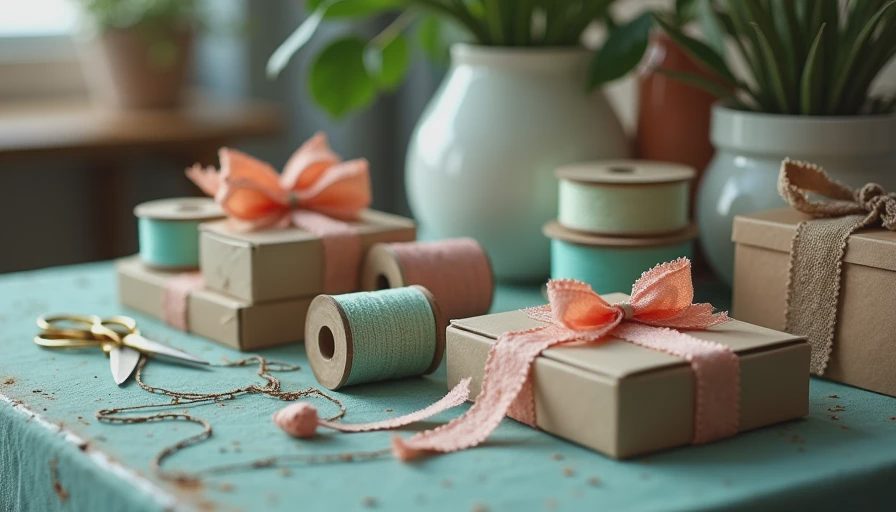
Where bows with lace look intentional
The easiest starting point is a curtain tieback. Use one bow on each side of a window, not three on every panel. Attach the ribbon to a simple brass, wood, or painted hook, then tie the lace over the ribbon so the stronger material carries the weight. In my bedroom, a faded blue cotton ribbon with a narrow cream lace edge has held for more than a year. It softens the blackout curtains without pretending they are antique drapes.
Bows with lace also work on cabinet hardware, but keep them small. Tie one around a pantry pull, a linen-closet knob, or the handle of a glass-front cabinet. This is especially useful in a rental because it changes the mood without drilling holes or replacing hardware. Use a removable knot rather than glue. Glue leaves a shiny residue, and future-you will be furious with present-you.
A plain throw pillow is another good test. Tie a short bow around the corner, but sew two or three loose stitches through the ribbon if the pillow gets used every day. I did this on a lumbar pillow in the living room, and it survived Felix and Cleo's blanket forts. A decorative knot that slides under pressure is not charming; it is laundry waiting to happen.
Make the look less precious
The fastest way to make lace look old-fashioned is to pair it with too many other delicate things. If the bow is soft and decorative, put it against something with weight: a chunky ceramic lamp, a dark wood table, a canvas cushion, or an iron curtain rod. Contrast keeps the room from drifting into tea-party territory.
I like bows with lace beside plain, slightly battered furniture. A thrifted pine nightstand with chipped blue paint can handle a pale lace detail because the wood keeps it grounded. On a glossy white console with crystal handles, the same bow would be doing too much. Decorating is mostly learning to notice when an object already has enough personality.
Color is another useful brake. Pick up one tone from the room instead of introducing a new one. If your rug has a rust stripe, try rust velvet with natural lace. If the walls are green, faded cream and brown will usually look calmer than bright pink. Take a photo in daylight before committing. Phones reveal visual clutter that your eyes politely ignore.
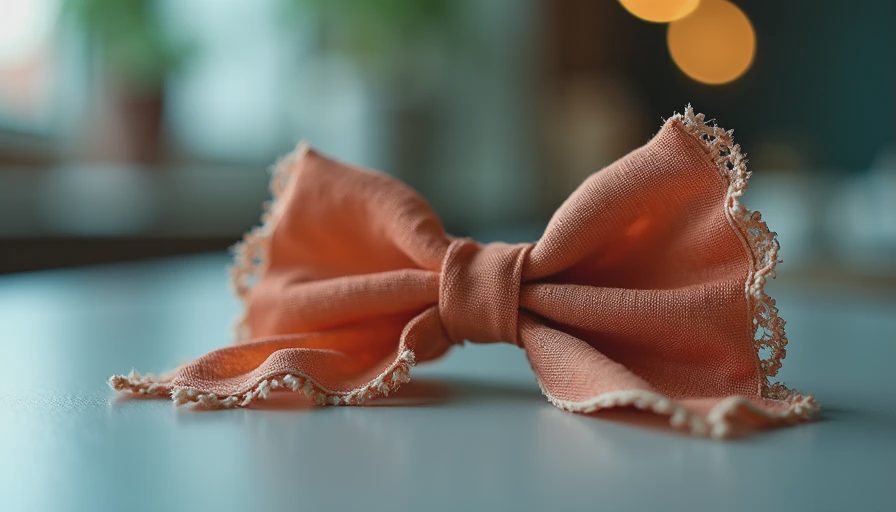
Thrift sources and realistic prices
You do not need a specialty fabric store. Start with the sewing basket section at a thrift shop, estate-sale boxes, and leftover trim sold by the yard at neighborhood fabric stores. I have paid $2 for a bag of old seam binding, $4 for a velvet ribbon roll, and $6 for a crocheted runner that became enough trim for four curtain ties. The runner was the best buy because it had useful texture and no synthetic shine.
For bows with lace, inspect the reverse side as carefully as the front. Look for fraying, water marks, sticky backing, and discoloration along folded edges. A little age is attractive; a brittle fiber that snaps when bent is not. Wash washable cotton trim in a mesh bag with mild detergent, then air-dry it flat. Never assume vintage lace can tolerate hot water. One beautiful cream piece turned into a pile of threads in my sink, and I still think about it.
Online resale listings can be worthwhile, but search for terms such as vintage trim, curtain tiebacks, crochet edging, and sewing notions rather than only searching for decorative bows. Sellers often photograph the whole bundle, so read dimensions before paying shipping for six inches of ribbon.
A simple method that stays put
Measure the object first, then add enough length for the knot and two tails. For a cabinet pull, twelve to sixteen inches is usually plenty. Cut one test piece from inexpensive twine before using the good ribbon. Tie a basic bow, tug both loops evenly, and trim the tails at an angle. If the material is slippery, wrap the center once with thin cotton thread before tying the final knot.
For bows with lace on a pillow or basket, use a few hand stitches at the center and at each tail. Match the thread to the ribbon rather than the lace. The stitches disappear, and the decoration will not migrate every time someone picks up the item. On curtains, sew a small fabric loop to the back of the tieback so the bow hangs in the same place each morning.
I also recommend living with one sample for a week. Move it from the bedroom to the kitchen and notice where it feels natural. If you keep walking past it thinking, “That is a lot of ribbon,” listen to yourself. Remove a layer, shorten the tails, or choose a rougher material.
The honest verdict on bows with lace
Use bows with lace when the room needs a small human touch, not when you are trying to disguise furniture or fill an empty wall. One or two details can make a plain rental feel personal. Ten details make it look like a themed event space. I would start with a curtain tie or cabinet pull because both are inexpensive, reversible, and easy to judge from across the room.
Skip anything stiff, shiny, or aggressively coordinated with every other accessory. The best versions look found rather than purchased as a complete set. My favorite bow is still the imperfect blue one on the bedroom curtain, partly because it cost less than a coffee and partly because it survived real life. Taste is free. Everything else, we thrift.




Letters
No letters yet — be the first to write.