I have a weakness for Pfaltzgraff dishes vintage enough to show a little wear but sturdy enough for a Tuesday night dinner. The best sets feel like they came from a real kitchen, not a staged shelf: brown gravy rings, faded florals, a fork mark or two, and glaze that still catches the light. I found my first stoneware place setting at a church rummage sale for $3, and twelve years later, two plates have survived twins, a dishwasher, and my cat's ongoing campaign against gravity.
Pfaltzgraff has been making American tableware since the early nineteenth century, but the pieces most shoppers encounter today are commonly from the mid-century through the 1990s. That broad date range matters. A set from the 1970s can have a completely different feel, price, and construction than a later department-store pattern. Here is how I shop without accidentally paying antique-store prices for somebody's dusty cabinet leftovers.
Start with the underside, not the pattern name
Turn every plate over. The backstamp is your first useful clue, and it is more reliable than a seller's Marketplace title. Look for the Pfaltzgraff name, a pattern name or number, country-of-origin wording, and sometimes a date code or production mark. Marks changed over the decades, so do not reject a good piece because the logo looks unfamiliar.
Search the exact wording in quotation marks after you photograph it. A pattern that looks like “rustic blue flowers” to you may be listed under a precise collection name by collectors. Pfaltzgraff dishes vintage shoppers often recognize include Yorktowne, Heritage, Village, Folk Art, and Napoli, though names can overlap across serving pieces and production runs. Replacements sites, completed eBay listings, and collector groups are useful for identification. Use sold prices, not hopeful asking prices, as your reality check.
I also compare shape. A cereal bowl with a wide rolled rim may belong to a different collection than a similar-looking bowl with a narrow rim. Mixing those pieces is not a crime, but calling them a complete set can lead to disappointment when you discover the replacement bowl costs $18.

What makes a vintage find worth buying?
Condition comes first, then usefulness, then rarity. I would rather own six clean dinner plates in a common pattern than one supposedly rare platter with a hairline crack. Hold each piece near a window and look for fine lines traveling from the rim toward the center. A true crack often catches a fingernail. Crazing, the network of tiny lines in the glaze, is common on older stoneware and can be attractive, but heavy crazing can trap stains and moisture.
Check the rim for chips, especially where plates have knocked against one another in a cupboard. Run a finger around the edge, because a chip can be too small to see beneath thrift-store lighting. Inspect handles on mugs and casserole dishes, and look for dark marks from metal utensils. Those gray lines are usually cosmetic; deep gouges and sharp breaks are not.
For everyday use, I pass on anything cracked, badly chipped, or labeled for decorative use only. Older ceramic and stoneware pieces can have glaze and material concerns that are difficult to assess from appearance alone. If the seller cannot explain the condition or care instructions, use the piece as a planter or display bowl instead of putting it near food.
Pricing Pfaltzgraff dishes vintage without getting played
At a thrift store, a fair range is often $1 to $5 for a dinner plate, $2 to $6 for a bowl, and $4 to $12 for a serving piece, depending on condition and local demand. A full place setting might cost $20 to $60 at a flea market. Online prices climb because sellers are packing and shipping heavy stoneware, but shipping damage can erase the bargain.
Do not pay a premium just because the listing says “rare.” A complete set with twelve dinner plates is not automatically more desirable than a mismatched stack of six. First ask whether you actually need twelve. In my apartment, eight plates already create a cabinet traffic jam, and the twins use them as impromptu drawing palettes despite repeated conversations about boundaries.
The strongest value is often in the odd pieces: a large covered casserole, gravy boat, butter dish, or set of mugs. These can make a basic table look intentional for less than the price of new accessories. Pfaltzgraff dishes vintage in a discontinued pattern can also be worth collecting when you already own the core pieces, but I would not build an entire collection around a pattern you dislike simply because one serving bowl is inexpensive.
How I mix old dishes with a modern kitchen
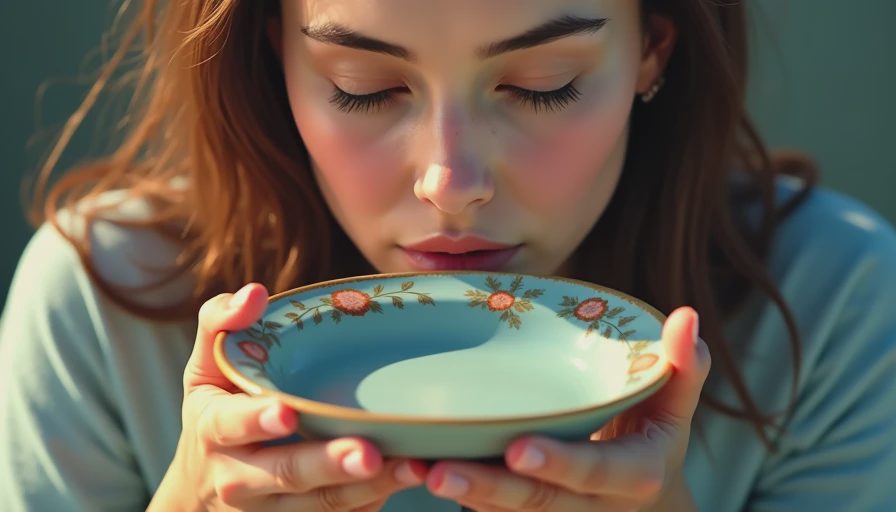
My favorite approach is one old pattern plus quiet basics. Pair blue-and-white Pfaltzgraff dishes vintage enough to have softened edges with plain white napkins, clear glasses, and a wood cutting board. If the pattern is brown, cream, or rust, add a solid linen runner rather than another print. The table needs somewhere for the eye to rest.
For a small rental kitchen, use dinner plates as wall accents only if you have a secure hanging system and enough clearance from cabinet doors. I prefer using them. A floral plate under a grilled cheese sandwich feels more personal than a decorative object nobody is allowed to touch. Serving bowls can hold fruit, keys, or mail, although I recommend washing them thoroughly before changing their job.
Mixing patterns works when one element repeats. Match the blue in one plate to a napkin, or repeat the warm cream color in a pitcher. Do not try to make every decade agree. A 1970s brown stoneware mug beside a plain modern plate can look relaxed; six competing floral patterns look like the clearance aisle had an argument.
A practical thrift-store inspection checklist
When I see a promising stack, I do the following before carrying it to the register:
- Separate every piece and inspect rims, handles, and undersides.
- Photograph the backstamp before buying, especially if the pattern is unfamiliar.
- Check for cracks, sharp chips, stains, and strong musty odors.
- Count the pieces instead of trusting the seller's phrase “full set.”
- Compare the total price with sold listings, not inflated online asking prices.
- Decide where each piece will live before bringing it home.
Wash thrifted dishes with hot water and dish soap, then let them dry completely. I avoid abrasive powders because they can dull the glaze. Do not put a questionable piece in the microwave, and do not assume every vintage serving item is oven-safe. Manufacturer guidance is the best source when you can find it; otherwise, use caution and keep uncertain pieces decorative.
The honest answer: should you collect them?
Yes, if you like sturdy, colorful tableware and are willing to inspect before buying. No, if you want a perfectly uniform set with no signs of use. The charm of Pfaltzgraff dishes vintage is that they look lived with. A slightly faded rim tells me somebody served pie on that plate for years, which is more interesting than a fake distressed finish from a big-box store.
Start with four dinner plates and four bowls in a pattern you genuinely enjoy. Use them for three months before buying the matching gravy boat, bread plate, and enormous soup tureen. That waiting period will tell you whether the pieces fit your cabinets, dishwasher, and actual meals. My own rule is simple: if I would not use it on a Wednesday, I do not need it on a shelf.
Take the best pieces home, skip the cracked ones, and leave room for the next lucky find. Taste is free. Everything else, we thrift.



Letters
No letters yet — be the first to write.