Can you paint over polyurethane? Yes, but you cannot treat a glossy, sealed wood surface like an unfinished pine board. Polyurethane is designed to protect wood from moisture, scratches, and daily abuse, which also means it gives new paint almost nothing to grab. I learned this on a $35 Facebook Marketplace nightstand that looked perfect for exactly three weeks. Then the paint lifted around the drawer pulls. The fix was not glamorous, but it worked: clean, dull the finish, use bonding primer, and give the new paint time to cure.
This method is for dressers, tables, cabinets, shelves, and other interior wood pieces. It is not a shortcut for skipping preparation. If you rush, your paint job will advertise that fact every time a fingernail catches an edge.
Why polyurethane makes painting difficult
Polyurethane dries into a hard film over wood. Oil-based polyurethane is especially slick and amber-toned, while water-based polyurethane is usually clearer but can still be difficult to coat. Neither surface is automatically paint-ready. A fresh coat of latex paint can bead up, slide around, or dry with weak adhesion.
The existing finish also hides dirt, furniture polish, wax, cooking residue, and hand oils. A cabinet beside a stove can have an invisible layer of grease even when it looks clean. Paint over that contamination and you are essentially gluing your new finish to crumbs and fingerprints. That is why sanding alone is not enough.
You do not always need to remove every bit of polyurethane. Complete stripping makes sense when the finish is peeling, cracked, deeply scratched, or badly yellowed. For a stable finish, the goal is to remove grime and create a uniformly dull surface. Think less “take the furniture back to raw wood” and more “give the primer somewhere to hold on.”

Can you paint over polyurethane without sanding?
Can you paint over polyurethane without sanding? Technically, some specialty primers claim to stick to glossy surfaces with little or no sanding. In my experience, “no prep” is usually a marketing phrase with expensive consequences. I have used liquid deglosser on small details and carved areas, but I still lightly sand broad, flat surfaces whenever possible.
Start by removing knobs, hinges, and drawers. Wash the piece with a degreasing cleaner, then wipe it with clean water if the product instructions call for rinsing. Let everything dry completely. Use 220-grit sandpaper to dull the shine, moving with the grain on visible wood. You are not trying to excavate the table. Stop when the surface looks evenly hazy instead of glossy.
For rounded legs and grooves, a sanding sponge is easier to control. A little hand sanding takes longer than an electric sander, but it prevents you from gouging veneer. Veneer is thin, and one enthusiastic afternoon can turn a repair project into a paint-and-filler situation. Vacuum the dust and wipe with a slightly damp microfiber cloth.
The primer matters more than the paint
If you remember one thing about painting over polyurethane, remember this: buy the primer for adhesion, not the prettiest label. Look for a bonding or adhesion primer intended for glossy surfaces. Products such as Zinsser B-I-N shellac-based primer, Zinsser Bulls Eye 1-2-3, and Benjamin Moore Fresh Start High-Hiding All Purpose Primer are common choices for furniture preparation. Read the label for surface compatibility and ventilation requirements.
Shellac primer is excellent at sealing stains and tannin bleed, especially on oak, mahogany, and older pieces with an amber finish. It dries quickly, but the odor is serious, so I use it with windows open and never around the children or Gouache, our cat, who believes every wet project is a personal invitation. Water-based bonding primer is more comfortable for a small apartment and usually has less odor, though it may need longer drying time.
Apply one thin, even coat. Thick primer does not create stronger adhesion; it creates drips, brush marks, and a longer wait. After it dries, inspect the surface under a bright lamp. If you see shiny islands, lightly sand those areas and prime them again. The primer should look consistent before color goes on.
Choosing paint for a piece that will be used
For a decorative picture frame, ordinary interior acrylic can be fine. A dining chair, bathroom vanity, or dresser needs more resilience. I prefer a quality cabinet, trim, or furniture enamel in satin or semi-gloss. Benjamin Moore Advance, Sherwin-Williams Emerald Urethane Trim Enamel, and Behr Premium Urethane Alkyd Enamel are examples of products marketed for harder-wearing interior surfaces. A quart commonly costs around $25 to $50, depending on the brand and finish.
Can you paint over polyurethane with chalk paint? Yes, but chalk paint is not a substitute for cleaning and adhesion. Its matte finish can look lovely on a thrifted cabinet, but it still benefits from scuff sanding and a suitable primer, especially on a slick tabletop. Chalky surfaces also need protection from a compatible wax or clear coat, and wax is not my favorite choice for a family dining table. It can look patchy and need maintenance.
Use a high-quality angled brush for profiles and a small microfiber or foam roller for flat panels. Two thin coats almost always look better than one heavy coat. Follow the recoat time on the can, then wait longer before reinstalling hardware. Paint can feel dry while remaining soft underneath.
A practical step-by-step process
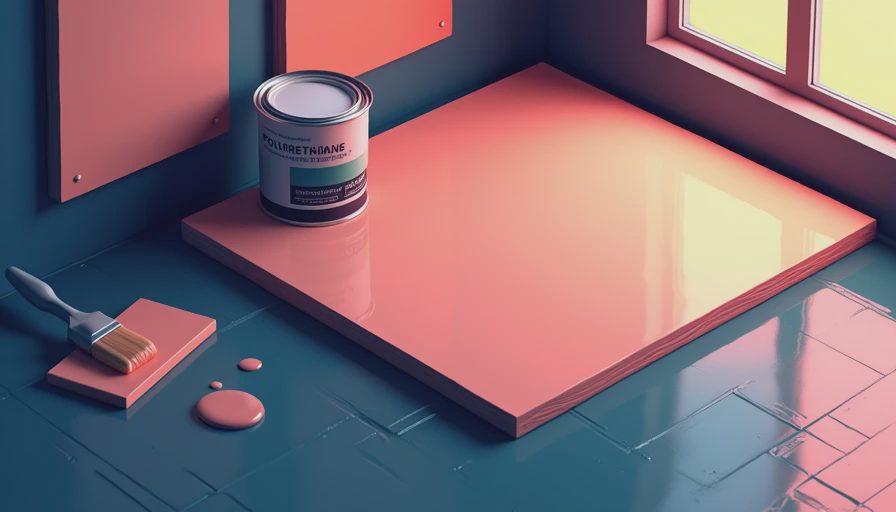
Can you paint over polyurethane and get a finish that survives normal life? Yes, if you follow the boring order. First, photograph and label hardware so reassembly does not become a puzzle. Second, repair dents with wood filler and let it dry. Third, clean, rinse when required, and dry the piece. Fourth, sand until the shine is gone, then remove all dust.
Fifth, test your primer on the underside or inside edge. After it dries, press a piece of painter’s tape onto the test area and pull it off sharply. If primer comes away in flakes, the surface needs more cleaning or abrasion. If it stays put, prime the entire piece with a thin coat. Sixth, apply your paint in light coats, keeping a wet edge and resisting the urge to keep brushing a section after it starts to set.
Finally, let the piece cure. “Dry” means you can touch it without leaving a mark; “cured” means it has developed much of its final hardness. That can take several days or longer, depending on the product, temperature, and humidity. Reattach knobs gently and use coasters or pads while the finish hardens.
My honest verdict for thrifted furniture
Can you paint over polyurethane? Absolutely, and I would do it before spending $900 on a new sideboard that looks suspiciously like every other sideboard online. But I would not paint a valuable antique, a badly damaged veneer piece, or a tabletop that needs a flawless factory finish without testing first. Sometimes the original wood is the best feature, and sometimes a $12 quart of paint is the exact rescue a tired piece needs.
My Fort Greene nightstand has now survived three years, two moves across the room, and the twins’ habit of using every flat surface as a science lab. The finish is not indestructible; no painted furniture is. It has held up because the preparation was thorough, not because I found a magical paint.
Can you paint over polyurethane? Yes. Clean it, dull it, prime it, paint it lightly, and let it cure. Spend your money on primer and patience before buying another decorative product. Taste is free. Everything else, we thrift.


Letters
No letters yet — be the first to write.