The first sofa I bought as an adult was a deep, slouchy monster that swallowed the living room and every decorative pillow I owned. Six months later, I sold it for less than I paid and bought tight back sofas instead. That was the better decision. The backs stayed neat, the floor felt more open, and nobody had to perform daily pillow maintenance before sitting down.
I am not saying every tight-backed sofa is comfortable. Some feel like upholstered benches with delusions of grandeur. But the good ones offer a firm, supportive sit and a clean shape that works especially well in apartments, narrow living rooms, and homes where the sofa needs to look presentable after actual people use it. If you are shopping under $4,000, this is one of the styles worth hunting for secondhand.
Why tight back sofas work in real apartments
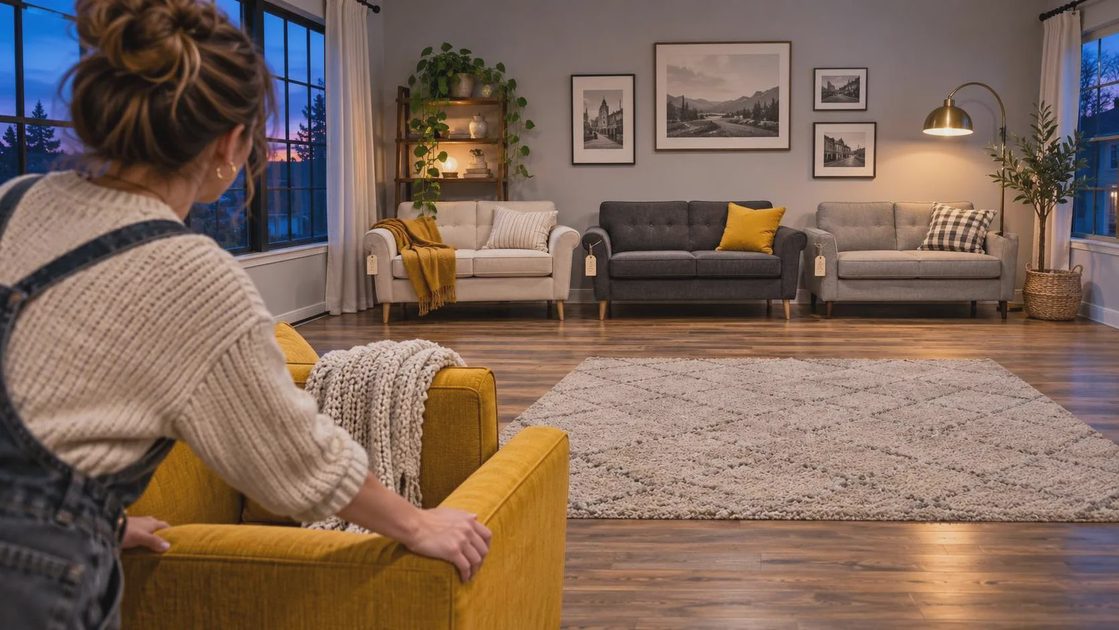
Tight back sofas have a fixed, upholstered back rather than loose cushions. That small construction difference changes the whole room. There is less visual clutter, no row of cushions sliding onto the floor, and usually a slimmer silhouette. In my Fort Greene living room, that meant I could fit a 78-inch sofa without blocking the path to the kitchen. An overstuffed alternative needed nearly a foot more depth.
I like tight back sofas when the room already has enough going on: a patterned rug, painted walls, books, children, or one cat determined to shed over everything. The uninterrupted back reads calm without becoming bland. Choose a strong fabric or an interesting wood leg, and the sofa becomes a quiet anchor instead of another pile of soft shapes.
The tradeoff is obvious once you sit down. A tight back does not give you a removable cushion to fluff, rotate, or replace. The comfort comes from the foam, springs, batting, and angle built into the frame. That is why a five-minute test in a showroom is not enough. Sit upright, lean back, curl up, and stay there long enough to notice whether your shoulders are fighting the furniture.
How to measure before you fall in love
Before looking at listings, measure the wall, the doorway, the stairwell, and the elevator. I have watched a beautiful sofa spend two weeks in a hallway because someone measured the living room and forgot the building. For tight back sofas, record width, total depth, seat depth, back height, and arm width. A sofa that is 82 inches wide can still feel enormous if it is 42 inches deep with broad rolled arms.
For a compact apartment, I usually look for a depth between 30 and 36 inches. Seat depth around 20 to 23 inches suits upright lounging; deeper seats are better if you like curling up. Leave at least 30 inches for a main walking path, more if that path leads to a frequently used door. Tape the sofa footprint on the floor with painter's tape for a full day. You will discover problems faster than you will from a product photograph.
Also check the frame breaks down. Removable legs are helpful, but they do not solve every delivery problem. Ask whether the back is fixed and whether the arms add extra width to the narrowest doorway. If you are buying from Facebook Marketplace, request exact measurements before arranging a van. “Standard size” is not a measurement; it is a seller trying to end the conversation.
What to inspect at a thrift store or resale listing
The best tight back sofas I have found were not pristine. One had faded blue upholstery and cost $180; a local upholsterer replaced the seat foam for $420, and it became Bernice, our living-room sofa, for less than a new mid-range model. The frame mattered more than the fabric. I checked every corner, sat in the middle and on both ends, and listened for creaks.
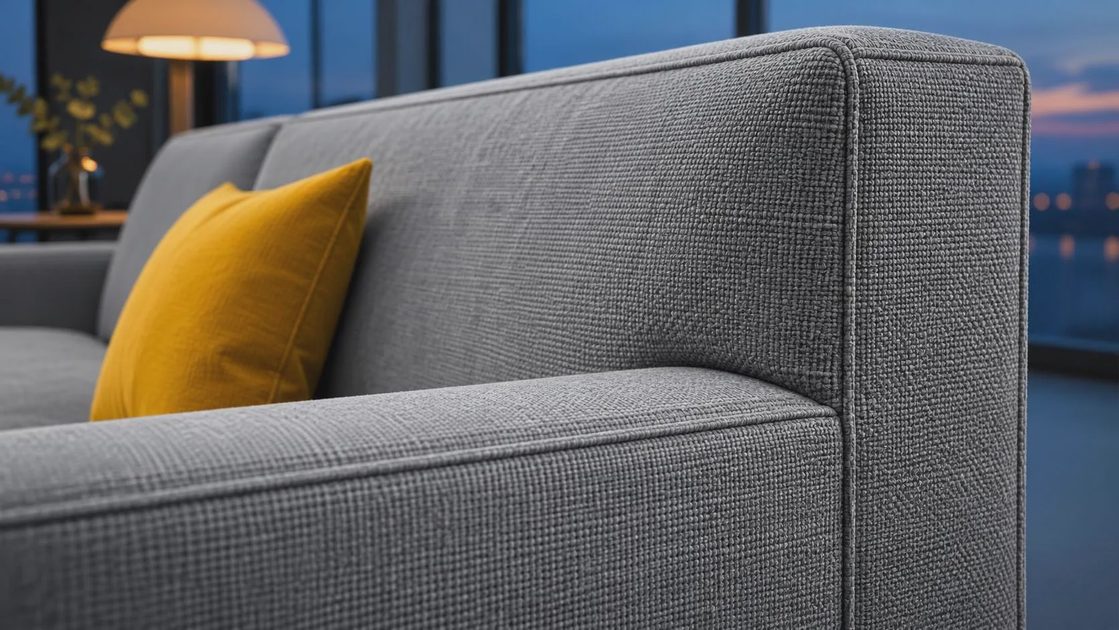
Press along the back and seat. It should feel even, not hollow in one section and bricklike in another. Run your hand beneath the front edge to feel for sagging webbing. Push gently on the arms; movement can signal a loose joint. Look underneath for a manufacturer label, solid wood rails, sinuous springs, or eight-way hand-tied construction. None of those guarantees comfort, but a completely unmarked frame with a wobbling arm deserves a hard pass.
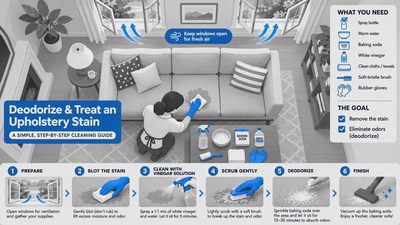
Smell the upholstery in daylight. Smoke, mildew, and heavy perfume are not charming vintage character. They are expensive problems. A removable cushion cover can be professionally cleaned, but a fixed interior is harder to rescue. I would accept surface wear, small marks, and dated color. I would not accept moisture damage or a frame that twists when someone sits down.
Finding a good deal without buying someone else's mistake
Search terms matter. Use “mid-century sofa,” “tailored sofa,” “channel back sofa,” and the names of furniture makers, not only tight back sofas. Sellers often describe the style poorly, especially when they inherited a piece. Check Facebook Marketplace, estate sales, local consignment shops, and moving-sale listings. A $250 sofa nearby can beat a $100 sofa that requires a $300 delivery fee.
Ask for photos of the front, back, underside, seat edge, and label. Ask how long the seller owned it, whether anyone smoked around it, and whether pets used it. The answers are not always honest, but evasive replies are useful information. Bring a flashlight, tape measure, old sheet, and a friend who will tell you when the fabric smells weird.
Budget separately for transport and repairs. Local delivery often runs $75 to $200, while new foam or upholstery can easily cost several hundred dollars. My personal ceiling for a tired but well-built frame is about $700 before repairs. Above that, I want excellent fabric, excellent construction, or both. Otherwise, the “deal” has wandered into regular retail pricing wearing a thrift-store hat.
How to make the style feel warm, not stiff
Tight back sofas can look formal if every other item in the room is square, beige, and carefully behaved. Fix that with contrast. Add a loose woven throw, a round coffee table, a lumpy vintage lamp, or a rug with enough color to interrupt the furniture showroom effect. I prefer one large lumbar pillow to a fortress of cushions, because the fixed back should remain visible.
Legs make a difference too. Exposed wood or metal gives a smaller room more breathing space. A skirted base feels softer and hides dust, but it can visually lower the sofa. If you rent, choose the detail you will still like after moving, not the one that only works against your current wall color.
For families and pets, performance fabric is useful but not magic. Look for a tight weave, test a hidden area with a damp cloth, and understand the cleaning instructions before purchase. Gouache has tested several upholstery claims personally. Dark fabric hides gray cat hair better than cream, but it also shows every crumb in direct sunlight.
My final call on tight back sofas
I recommend tight back sofas for anyone who wants a polished room without spending weekends rearranging cushions. They are particularly strong for narrow spaces, renters who move occasionally, and households that need furniture to look decent after dinner, homework, and one dramatic cat incident.
I would skip a cheap version with weak support, shallow arms that make sitting awkward, or fabric that already smells suspicious. I would happily buy a 20-year-old frame with honest wear, good proportions, and a comfortable seat. Test it like you plan to live in it, measure every obstacle, and keep money aside for delivery or foam.
The right sofa should not demand that you become a different, tidier person. It should handle your current life and leave enough room for a lamp you found for $35. Taste is free. Everything else, we thrift.


Letters
No letters yet — be the first to write.