I started looking for natural candles non toxic after burning a heavily scented bargain candle in my old Williamsburg apartment. The room smelled like vanilla for ten minutes, then like a hot plastic bag. My throat felt scratchy, the cat left the sofa, and I opened every window in January. That candle cost $8.99, which was not a bargain. It was an $8.99 lesson in reading labels.
The honest version is that “non-toxic” is not a tightly regulated magic phrase. A candle can be made from plant wax and still contain irritating fragrance ingredients, poor-quality dye, or a wick that creates visible soot. I now look at the whole candle: wax, wick, scent, vessel, burn behavior, and the company’s labeling. Taste is free. Everything else, we thrift.
What natural candles non toxic actually means
When people search for natural candles non toxic, they usually want fewer questionable materials and a cleaner experience, not a chemistry degree. Start with the wax. Soy, beeswax, coconut, and some vegetable blends are common alternatives to paraffin. I prefer a clearly labeled soy or coconut-soy blend, but I do not treat “soy” as an automatic safety certificate. The rest of the formula still matters.
Look for a full ingredient or materials statement rather than vague language such as “premium fragrance.” A maker that names the wax type, wick material, fragrance approach, and approximate burn time is giving you useful information. “Phthalate-free” can be a helpful detail, but it does not mean a candle cannot bother someone who is sensitive to fragrance. Unscented beeswax is my safest-feeling choice for a dining table, especially when the twins are eating nearby.
A cotton wick is not automatically perfect, either. Lead wicks are no longer the normal choice in the United States, but wick construction varies. Wooden wicks can crackle beautifully; they can also tunnel or drown if the candle is not formulated well. The flame should be steady, modest, and free of black smoke.
The labels I trust and the ones I ignore
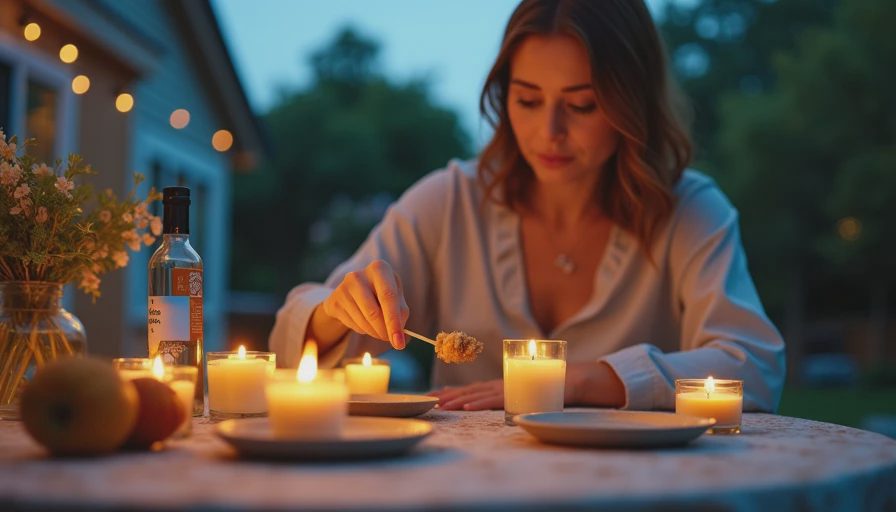
I trust specific labels more than a giant “clean” badge. “100 percent soy wax,” “beeswax,” “cotton wick,” and “fragrance-free” tell me something concrete. “Clean-burning,” “eco luxury,” and “detox your home” tell me the marketing department had a busy afternoon. Natural candles non toxic should not need a dramatic wellness speech to explain what they contain.
This is also where price gets ridiculous. A $48 candle is not automatically better than a $16 one. I have burned expensive candles that tunneled straight down the center, leaving two inches of wax clinging to the glass. I have also had a $12 farmers-market beeswax candle burn evenly for weeks. The useful comparison is materials and performance, not the label on the gift box.
For fragrance, I choose lighter scents: cedar, unscented beeswax, mild citrus, or a restrained lavender. Strong fragrance is not a sign of quality. If a candle perfumes the hallway before it is lit, I assume the scent will be too much in a small apartment. Natural does not mean scentless, but a comfortable room should still smell like a home and not a department-store sample counter.
My five-minute candle inspection
Before buying natural candles non toxic, I do a quick inspection that works in a shop, at a craft market, or while opening an online delivery. First, turn the vessel around and find the wax and wick information. If there is no useful detail, I skip it. Second, check the wick. It should sit near the center and look securely embedded, not bent against the glass.
Third, smell the candle cold. I want a distinct scent, not an aggressive blast. Fourth, inspect the top for cracks, wet spots, or a wick buried under a thick layer of wax. Those flaws do not guarantee a bad burn, but they make me less interested in paying boutique prices. Finally, check whether the container has a warning label and a manufacturer name. Responsible candle makers explain safe use because even a plant-based candle has an open flame.
My usual budget is $12 to $28 for a medium jar. Above $35, I want an unusually good vessel, a long burn time, or a scent I cannot find elsewhere. I do not buy a candle because it matches my bathroom tile. That is how clutter happens.
How to burn one without making a mess
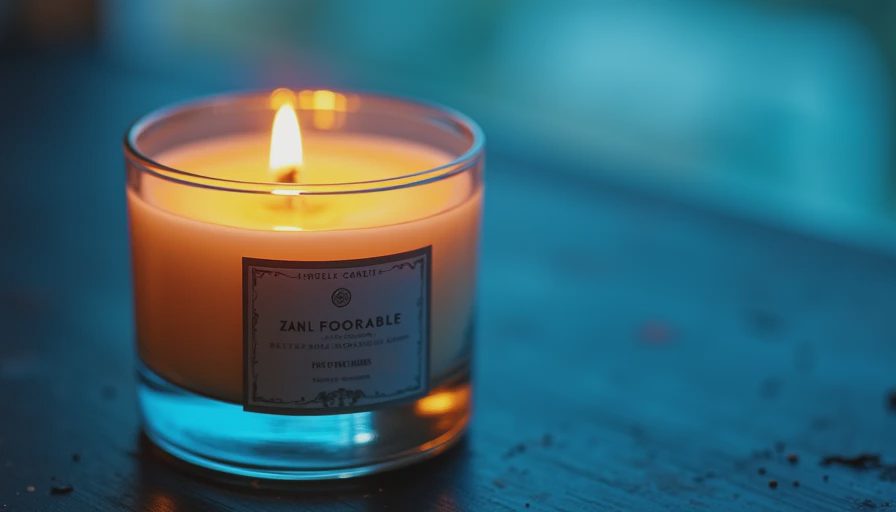
The cleanest candle becomes a smoky candle when it is burned badly. For natural candles non toxic, trim the wick to about one-quarter inch before each use. On the first burn, let the melt pool reach close to the vessel’s edges; this can take two to four hours depending on the diameter. If you extinguish it after twenty minutes every time, the wax can develop a tunnel and waste the outer ring.
Keep the candle away from curtains, books, children, and Gouache, who believes every flame is a personal challenge. Never move a burning or recently extinguished candle, and stop using it when roughly half an inch of wax remains. A snuffer reduces smoke, but gently blowing out a small candle is fine if you keep the wick centered afterward.
If the flame is tall, flickering wildly, or producing black soot, put it out. Let it cool, trim the wick, and try again on a heat-safe surface. No candle earns a place in my apartment by making me nervous.
What I buy for different rooms
For the bedroom, I choose an unscented or lightly scented candle in a small vessel. Heavy fragrance in a closed room is a bad trade for me, even when the ingredients look respectable. In the living room, natural candles non toxic with cedar, amber, or soft citrus can add atmosphere before friends arrive, but I burn one at a time. Mixing three fragrances is how your apartment starts smelling like a hotel lobby.
At the dining table, beeswax is my favorite because its gentle honey note does not fight dinner. I use a smaller candle there and skip colored wax. In a bathroom, I would rather buy a simple white jar with a clean label than a novelty candle shaped like a seashell. The shape photographs well and burns terribly. I learned this after rescuing melted wax from a vintage saucer.
For anyone sensitive to fragrance, “natural” is not enough. Choose unscented, ventilate the room, and burn for a shorter period. If a scent causes headaches or irritation, extinguish it. A pretty container is not worth feeling lousy in your own home.
My final shopping rule
Natural candles non toxic are a category I approach with useful suspicion, not panic. Look for transparent materials, a stable wick, moderate fragrance, sensible warnings, and a price that makes sense. Avoid miracle claims, mystery ingredients, and jars that cost more than the groceries you planned to put inside them.
If you are starting from scratch, buy one unscented beeswax candle and one lightly scented soy or coconut-soy candle. Burn each correctly for several evenings and note the soot, scent strength, melt pool, and total burn time. That small test tells you more than a dozen glowing reviews. I would rather own two candles that work than a cabinet full of decorative disappointments. Taste is free. Everything else, we thrift.



Letters
No letters yet — be the first to write.