I have bought the wrong bed covering more than once, usually because the product photo showed a perfectly styled bed and the listing buried the actual measurements. Understanding queen size bedspread dimensions before you shop saves you from a skimpy cover, an awkward puddle of fabric, or a return box that refuses to fold shut. The short version: a standard queen mattress is about 60 inches wide by 80 inches long, but the bedspread itself needs extra fabric for the mattress depth and the look you want.
My own queen bed sits in a narrow Fort Greene bedroom, where every inch matters. I wanted the cover to reach low enough to hide the plain metal frame but not so low that Gouache, our cat, could turn the edge into a climbing wall. That meant measuring the mattress, box spring, and desired drop instead of trusting the word queen on a tag.
Standard queen bedspread dimensions, explained
Most queen bedspreads measure somewhere around 90 by 102 inches, though sizes vary by brand and style. Some lightweight coverlets are closer to 90 by 92 inches, while oversized spreads can reach 102 by 110 inches. Those differences are not tiny when your mattress is 14 inches thick and your bed frame adds another 8 inches.
The mattress itself is generally 60 by 80 inches. To cover the top and hang down both sides, calculate width like this: mattress width plus twice the desired side drop. For a 14-inch side drop, that is 60 + 28, or 88 inches. Add a little breathing room, and a 90-inch-wide spread makes sense. For length, add the foot drop to the 80-inch mattress length. A 20-inch foot drop requires about 100 inches, before allowing for pillows or a tucked top edge.
These queen size bedspread dimensions work well for a relatively shallow mattress and a simple platform bed. They can look stingy on a tall bed with a box spring. Measure the actual setup, not the bed you imagine having after a future bedroom makeover.
How to measure for the drop you actually want
The drop is the fabric hanging from the mattress edge toward the floor. Measure from the top of the mattress, over the side, to the point where you want the spread to end. If your bed has visible legs, stop several inches above the floor so the legs still show. If the frame is unattractive, measure nearly to the floor, then subtract 1 or 2 inches so the fabric does not drag.
For a clean, tailored look, I usually like a 14-to-18-inch side drop. On my bed, the mattress is 12 inches deep and the frame sits 7 inches above the floor. A 16-inch drop covers the mattress and most of the frame without swallowing the room. A 20-to-24-inch drop gives a more traditional, generous look, but it can make a small bedroom feel visually heavy.
Do not forget the foot of the bed. A spread that reaches the floor on the sides may still stop short at the foot if its length is too small. This is where queen size bedspread dimensions become more useful than a vague label such as oversized. Width and length need to suit the same bed.
Bedspread, coverlet, quilt, or comforter?
Retailers use these words loosely, which is irritating but survivable. A bedspread is usually designed to cover more of the bed, often reaching close to the floor. A coverlet is lighter and commonly stops around the mattress edge or lower sides. A quilt can be either, depending on its cut. A comforter is filled and usually intended to cover the sleeper, not necessarily the box spring or frame.
If you want a decorative layer folded at the foot, a coverlet can be enough. If you want one piece to hide mismatched bedding and a cheap frame, look for a longer bedspread. When comparing queen size bedspread dimensions, do not assume a thick quilted product will hang exactly like a thin cotton spread. Loft and stitching can change how much surface area reaches the sides.
I once bought a beautiful patchwork coverlet from a thrift shop for $28. It was well made, but its 90-by-90-inch cut barely cleared the mattress. It became a folded foot layer instead of the full-bed solution I had pictured. That was not a bad purchase; it was a bad job description.

Choosing measurements for different bed styles
A low platform bed is the easiest match. With a 10-inch mattress and no box spring, a 90-by-102-inch spread often gives balanced coverage. A tall traditional frame needs more length and width, especially if the box spring is visible. In that case, look closer to 96 by 105 inches or larger, then compare the listed drop rather than guessing from the photograph.
For a four-poster or storage bed, measure each side separately. Footboards can block the fabric, and drawers need clearance. A spread that hangs beautifully over an open-sided frame may bunch against a solid footboard. For an adjustable bed, avoid buying a very stiff, heavy bedspread without checking how it moves when the head raises. A flexible cotton layer usually behaves better.
If you share the bed with a partner who steals every blanket, prioritize length and layering. Use a fitted sheet, a lightweight blanket, and the decorative spread on top. The outer layer does not have to serve as the only source of warmth, which lets you choose a prettier, lighter fabric.
Shopping without getting fooled by the product photo
Read the dimensions in the specifications, not only the title. Search listings from Target, Quince, Pottery Barn, and vintage sellers can all use queen differently. A brand might call 90 by 92 inches standard while another calls 102 by 110 inches oversized. Neither is automatically wrong; they are solving different coverage problems.
Check whether the measurement includes a ruffle, fringe, or scalloped edge. Decorative borders can add length on paper without providing the same practical drop. Also look for washing instructions. A cotton spread that shrinks two inches after a hot dryer cycle can turn a good fit into a mattress skirt with commitment issues.
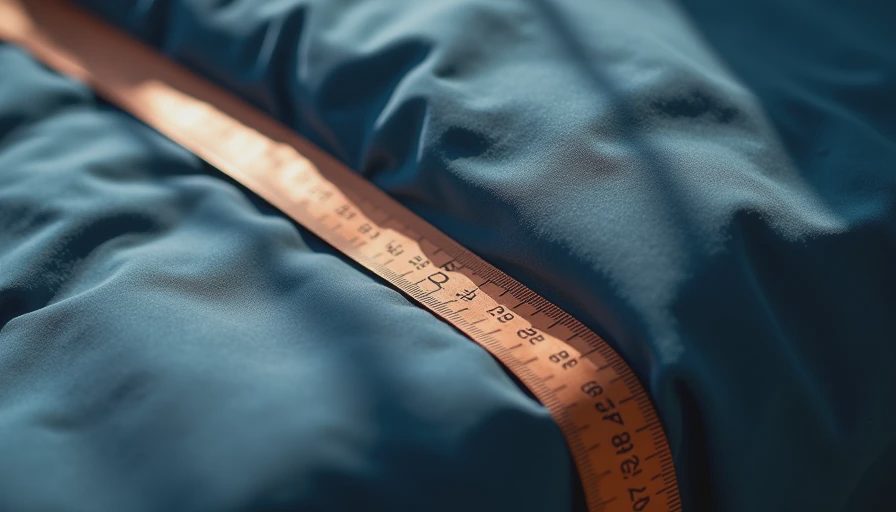
For thrifted pieces, bring a tape measure. I have found excellent vintage quilts for $35 to $75, but the tags often list no usable size. Lay the piece flat, measure its width and length, and inspect the seams for repairs. A slightly small quilt can still work folded at the foot; a damaged oversized one is not a bargain just because it has dramatic quilting.
My practical queen-bed checklist
Start by measuring mattress width, mattress length, and mattress depth. Then measure from the mattress top to your preferred stopping point on both sides and at the foot. Add the side drops to the mattress width and the foot drop to the mattress length. Compare those totals with the product measurements, leaving a few inches for movement and uneven floors.
If you want the frame hidden, buy longer than the minimum. If you want a crisp modern edge, avoid excessive fabric. For a rental bedroom, I would rather see a 90-by-102-inch washable cotton spread on a low bed than a giant, glossy cover that puddles around the legs. The right proportion makes inexpensive bedding look intentional.
The best queen size bedspread dimensions are not one universal number. They are the numbers that match your mattress, frame, preferred drop, and laundry habits. Measure first, ignore theatrical product photos, and buy for the bed in your room. Taste is free. Everything else, we thrift.


Letters
No letters yet — be the first to write.