A cottage bedroom should feel like a room where someone genuinely sleeps, reads, folds laundry, and occasionally loses a phone under the pillow. When I started planning our cottage bedroom, I made the classic mistake: I bought too many tiny floral things. After three months, the room looked less like a restful retreat and more like a fabric store had sneezed. The fix was simple: fewer themes, better textures, and furniture with some age on it.
You do not need a four-poster bed, exposed beams, or a $3,000 linen duvet to get the feeling. In a city apartment, a rental, or a small first home, the look comes from proportion and repetition. Choose one old-looking wood element, one washable textile, one soft color, and a lamp that does not make the room feel like a dentist's office. That is enough to begin.
Start with the bed, not the decorations
The bed is the largest object in a cottage bedroom, so it sets the entire argument. I prefer a simple painted wood frame, an iron bed with a little chipping, or an upholstered headboard in a durable cotton fabric. Skip anything too ornate unless the rest of the room is extremely plain. Cottage style becomes theatrical very quickly when every surface has a scallop, tassel, or painted rooster.
For a queen bed, I usually look for a 90-inch-wide quilt or coverlet so the sides have generous drop. A thrifted cotton quilt can cost $35 to $80, while a new basic coverlet from a department store often lands around $70 to $150. Inspect secondhand bedding in daylight. Hold it near a window, smell it, and check the seams. A beautiful quilt with a mystery basement odor is not a bargain; it is a future argument with your washing machine.
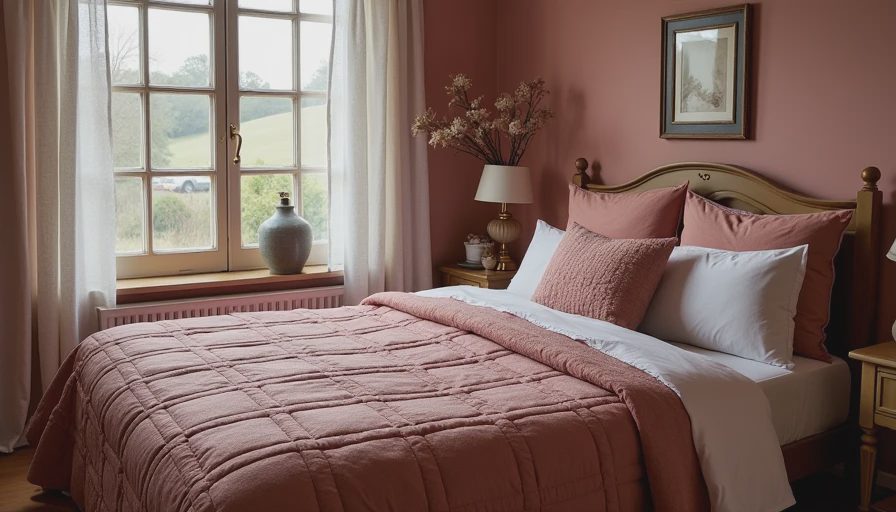
Layering matters more than matching. Put a white or oatmeal sheet underneath, add a small-print quilt, then fold a heavier blanket across the foot. The bed should look usable, not staged for a catalog photograph. I have used the same washable cotton quilt for four years, including one incident involving grape juice and a child who insisted the stain was "basically invisible."

Choose a color story with room to breathe
The best cottage bedroom palettes are quiet but not bland. My reliable combinations are warm white with faded blue, putty with moss green, or pale yellow with brown and cream. Avoid choosing six colors from the paint chip wall. Two main colors and one small accent are plenty, particularly in a room under 120 square feet.
Paint is where this look becomes affordable. A gallon of quality interior paint commonly costs about $45 to $75, and one gallon can cover a small bedroom with careful prep. I once painted our walls a chalky blue-gray and hated it for two weeks because the afternoon light made it look cold. Adding a warm ivory ceiling and natural wood nightstand corrected the problem without repainting the whole room.
Before buying paint, tape large sample cards to three walls. Check them in morning, afternoon, and lamplight. Cottage colors can shift dramatically beside a cool LED bulb. If you rent, try removable wallpaper on one small wall, or bring color in through curtains, a quilt, and framed art instead of covering every surface.
Thrift the pieces that make the room believable
A cottage bedroom needs contrast between fresh and worn. If every item is new, the room can feel like a themed furniture package. If everything is genuinely old, drawers stick and the mattress situation becomes questionable. Mix the two categories deliberately.
I would spend first on a supportive mattress and blackout shades if you need them. I would thrift the nightstands. Small wooden tables, sewing cabinets, and mismatched bedside chests often appear on Facebook Marketplace for $25 to $90. Measure before you message the seller; I once carried a nightstand three Brooklyn blocks only to discover it blocked the closet door by two inches.
Look for solid wood, working drawers, and surfaces that can take a wipe-down. A little crazed paint is charming. Water damage, active bugs, swollen particleboard, and a strong chemical smell are reasons to walk away. Sand only where necessary, prime unknown finishes, and use a low-sheen furniture paint if the piece needs a reset. Do not strip every old item automatically. The scratches are often doing more decorative work than a stencil would.
For art, try botanical pages from a damaged field guide, small landscapes, children's book illustrations, or a framed textile remnant. A $12 thrift-store frame can make a $3 paper print look intentional. The key is repeating one shape or color twice, not filling every inch of wall.
Make lighting soft, useful, and slightly imperfect
Overhead lighting is the enemy of almost every cottage bedroom. It flattens the wall color and makes rumpled bedding look like evidence. Use a ceiling fixture for cleaning, then rely on two bedside lamps for everyday life. A pair does not need to match, but they should have similar visual weight and bulbs around 2700K to 3000K.
I found one ceramic lamp at a flea market for $18 and paired it with a secondhand brass lamp that cost $24. Their shades are both cream, so they look related without pretending to be twins. Add a small clip light for reading if the table lamp is decorative but useless. A bedroom should support an actual book, not merely suggest one.
Check cords before buying vintage lighting. Frayed wiring, loose plugs, and hot sockets are not charming patina. If the lamp is valuable or unusual, have it rewired by a qualified professional. A $40 to $100 repair is cheaper than treating an electrical problem as a personality trait.
Add cottage details without cluttering the floor
The details should make the room more comfortable, not harder to clean. A woven basket for extra blankets, a wooden stool, cotton curtains, and one washable rug will do more than a shelf full of ceramic birds. Leave walking space around the bed. In a compact cottage bedroom, a rug that extends at least 18 inches beyond the sides of the bed usually feels more generous than a postage-stamp mat placed beside it.
Curtains should reach the floor or nearly reach it. Short curtains can make a room look accidentally dressed, like someone stopped sewing halfway through. Choose cotton, linen-blend, or faded ticking fabric. If your windows are drafty, use a lined panel or layer a simple sheer with a heavier curtain. Pretty is not useful when you wake up cold.
Keep surfaces edited. One lamp, one small dish, and one object you actually like are enough for a nightstand. Mine holds a chipped blue pitcher, hand cream, and a paperback with a bent cover. The pitcher is not precious, which is important because Gouache the cat has already knocked it over twice.
A realistic weekend plan for the makeover
On Saturday morning, measure the room, photograph the existing furniture, and decide what must stay. By lunch, choose your paint sample and inspect marketplace listings for a frame, nightstand, or lamp. Saturday afternoon is for washing textiles and patching nail holes. Paint on Sunday morning, then wait until the walls are fully dry before judging the color.
Bring in the bed first, then the largest storage piece. Hang art at eye level rather than close to the ceiling, and place the rug so it connects the bed to the room instead of floating beside it. Live with the arrangement for a week before buying accessories. That pause prevents the familiar $160 mistake: ordering six decorative pillows because the room felt unfinished on day one.
A good cottage bedroom is not a shopping list. It is a mix of useful things, inherited-looking things, and a few marks that prove real life is allowed. Start with the bed, spend on comfort, thrift the character, and stop before the room starts telling a story too loudly. Taste is free. Everything else, we thrift.




Letters
No letters yet — be the first to write.