The best cottage interior ideas do not require a stone house, exposed beams, or a $4,000 linen sofa. I have lived in four apartments, including one with a bathtub in the kitchen, and the spaces that felt most like home were built from paint, secondhand furniture, useful textiles, and a few things with actual wear on them. Cottage style is less about pretending you live in a meadow and more about making a room comfortable enough for coffee, muddy shoes, and a cat who believes every chair belongs to him.
Start with the feeling, not a shopping list
Before buying anything, decide what you want the room to do. A cottage-inspired living room should invite people to sit down, not make them afraid to touch the upholstery. I usually begin with three words: warm, practical, and a little imperfect. That gives me better direction than a dozen saved photos.
Choose one main color family, then add two supporting colors. A soft cream wall with faded blue, olive, or brick-red accents works because it resembles old fabric and painted furniture without turning the room into a theme park. My Fort Greene living room is painted a warm off-white, but the trim is a muddy green that makes the cheap pine floor look intentional. The paint cost about $70 for two gallons, and it fixed more than several decorative purchases ever did.
Cottage interior ideas work best when the room has visual breathing space. Leave a little wall empty. Let one good cabinet or painting carry attention instead of filling every surface with tiny signs, baskets, and artificial flowers. If an item only says “cottage” but does nothing else, I usually leave it at the flea market.
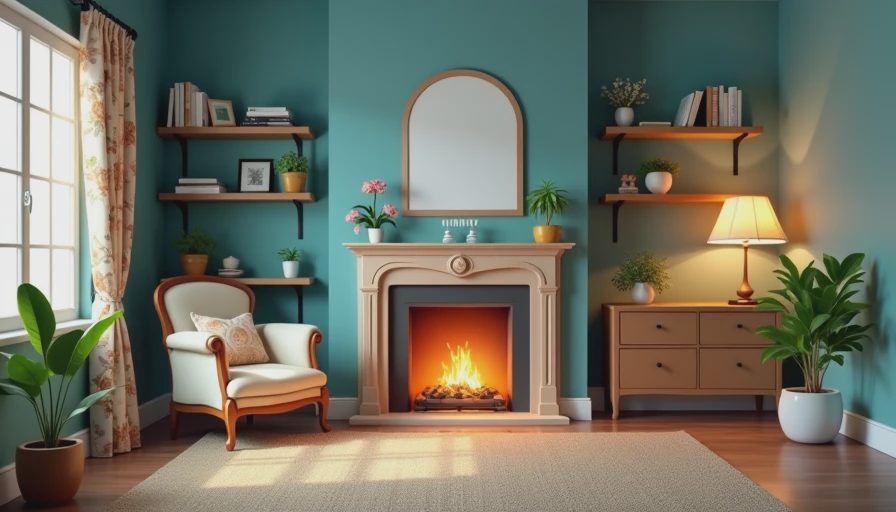
Use old furniture, but check it properly
Thrifted furniture is where this look gets its soul, but nostalgia is not a substitute for a solid chair. Before buying, sit down, open every drawer, check the underside, and smell the upholstery. A musty odor that survives ten minutes in fresh air is not a charming patina. It is a future problem.
For a living room, I would rather buy a plain used wood coffee table for $45 and refinish only the top than purchase a new distressed table for $300. Sanding, primer, and a small can of paint can change the whole piece. I once found a narrow pine cabinet for $60 on Facebook Marketplace. It had ugly orange varnish, but the doors were square and the shelves were sturdy. After two coats of deep blue paint and new brass-toned pulls, it became our media cabinet and has survived two children and one determined cat for three years.
Look for useful shapes: a farmhouse-style table that can handle homework, a high-backed chair for reading, a narrow dresser for an entryway, or a glass-front cabinet for dishes. Cottage interior ideas should improve daily life, not create another surface you have to dust.
Layer textiles without making the room fussy
Textiles do most of the softening in a cottage room. Use cotton, wool, canvas, and washable quilts where possible. A striped runner can make a basic dining table feel friendlier, while a faded floral pillow on a modern sofa adds history without requiring a matching set.
The important rule is scale. Mix one small pattern with one larger pattern and leave some solids between them. Three tiny florals fighting across a sofa look nervous. A $12 checked pillow cover beside a plain oatmeal throw looks deliberate. I wash secondhand fabric before it enters the house, and I keep a zippered cover on the chair nearest Gouache, because romance is nice and cat hair is real.
Rugs need to be large enough for the furniture. This is where many otherwise lovely rooms go wrong. In a living room, at least the front legs of the sofa and chairs should sit on the rug. A 5-by-7 rug floating in the middle of a larger seating area makes everything look smaller. If the right size is expensive, layer a washable flatweave over a larger neutral rug. That is more believable than buying a tiny “vintage” rug because it is the only one you can afford.

Make the kitchen feel lived in
A cottage kitchen does not need open shelving everywhere. In fact, open shelves become a grease-covered dish display if you cook regularly. I prefer one visible shelf or a glass-front cabinet, with everyday plates stacked inside and nothing arranged by color like a retail display.
Wood cutting boards, a ceramic pitcher, and a small framed print can warm up a rental kitchen without drilling into every wall. Use a fabric cafe curtain only if you are willing to wash it. I made one from a $9 remnant and a tension rod, and it lasted longer than the expensive Roman shade it replaced. The shade looked better online; the curtain survived tomato sauce.
For cottage interior ideas that work in a small apartment, concentrate on details people can reach. Replace builder-grade cabinet knobs, add a washable runner, and keep a bowl of fruit on the counter. These changes cost less than replacing cabinets and create the same sense of softness.
Choose lighting that is flattering and useful
Overhead lighting is the enemy of almost every cozy room. Keep it for cleaning and use lamps the rest of the time. A thrifted ceramic lamp can cost $20 to $40, and a new shade often makes it look intentional. Check that the cord is intact and that the socket does not wobble. I once ignored both details on a flea-market lamp, and the replacement wiring cost more than the lamp.
Use three levels of light: a ceiling fixture, a table or floor lamp, and a small low light such as a picture light or under-cabinet strip. Warm bulbs around 2700K give walls a gentler color than harsh daylight bulbs. Put lamps near seating, not just in empty corners. Lighting should help you read, eat, and find a lost toy, not merely photograph well.
The budget plan I would actually follow
Start with paint, then solve the largest functional problem. If the room feels cold, buy a rug or curtains before decorative objects. If storage is the problem, find a cabinet. If the sofa is uncomfortable, stop buying pillows and save for a replacement or a well-made secondhand one.
My usual order is simple: measure the room, shop the apartment, set a $200 limit for the first month, and buy only items that solve a real need. Take measurements and a tape measure when shopping. Search Facebook Marketplace, estate sales, thrift stores, and neighborhood buy-nothing groups. A $35 side table with good proportions is a better find than a $90 table covered in fake distressing.
Cottage interior ideas become convincing through repetition: the same wood tone appears twice, a color repeats in the rug and artwork, and useful objects stay visible. Do not buy twelve accessories to force a mood in one weekend. Let the room collect evidence of your life gradually. Taste is free. Everything else, we thrift.




Letters
No letters yet — be the first to write.