I have made plenty of furniture mistakes, including buying a table because the listing photos looked charming and ignoring the fact that one leg wobbled like a nervous horse. A turned leg dining table is worth hunting for, though. The shaped legs bring a little old-house character to a rental or first home, while the broad top gives you room for dinner, homework, mail, and the junk nobody admits leaving there. The trick is finding one with good bones instead of paying for a fresh coat of beige paint.
What makes a turned leg dining table special
A turned leg is shaped on a lathe, creating rounded sections, narrow waists, and sometimes small decorative rings. You will see them on farmhouse tables, Victorian-influenced pieces, old pine kitchen tables, and early twentieth-century furniture. The style can look traditional, but it does not have to make your room feel like a bed-and-breakfast.
The proportions matter more than the label. I prefer legs that have enough visual weight to support the top without looking like telephone poles. A top around 28 to 30 inches high is standard, and a comfortable dining depth is usually 34 to 40 inches. For a small apartment, a 48-inch-long table seats four without swallowing the room. A 60-inch table gives six people a fighting chance, although three chairs on each side can get tight.
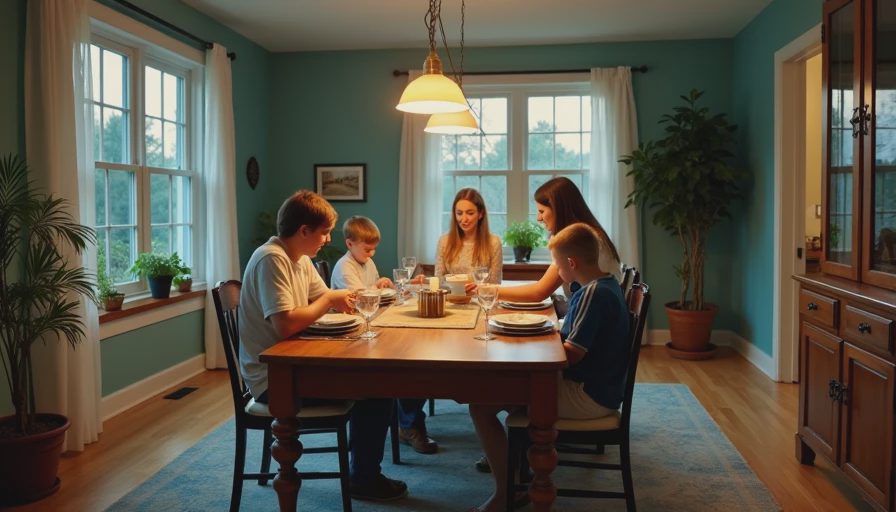
My own turned leg dining table, nicknamed Harold, cost $180 from a neighborhood estate sale. It had old paint, two water rings, and one repaired split. It also had a thick oak top and legs that did not tremble when my twins leaned on it. I spent another $42 on stripper, sandpaper, and a quart of durable water-based finish. That was a better deal than a $900 reproduction with a deliberately distressed surface.
How to shop for one without getting fooled
Start with local listings, estate sales, architectural salvage shops, and flea markets. Search several phrases because sellers are not always furniture historians: turned legs table, farmhouse dining table, old oak table, pedestal-style kitchen table, and antique dining table. Facebook Marketplace is especially useful when you search within a narrow radius and sort by newest listings. Good tables disappear quickly, but ugly listing photos often hide excellent furniture.
Ask for the dimensions before driving across town. Confirm whether the top comes apart, whether leaves are included, and whether the seller has noticed repairs. A table listed at $125 may become a bad bargain after a $70 van rental and an impossible fourth-floor staircase. I measure the elevator, doorway, hallway turns, and the space around the table before bringing home anything larger than a desk.
Use your phone flashlight to inspect the underside. Look for old glue blocks, corner braces, screw heads, and evidence that the legs attach securely. A few scratches are cosmetic. Fresh sawdust, loose joints, a strong chemical smell, or a long crack running through the top deserve more caution.
The five-minute condition check
Sit in every chair position and press down on each corner. A slight wobble can be repaired, but a twisting frame or split leg is a different conversation. Hold one leg and gently move the tabletop. If the whole joint shifts, the connection needs attention. That repair might involve regluing and clamping, or it might mean disassembling the table more than you planned.
Check the tabletop for veneer bubbles, deep burns, and swollen edges. Solid wood can usually be sanded, though aggressive sanding can erase a nice worn surface or soften crisp edges. Veneer is not automatically bad; a well-made veneered top can last decades. It simply gives you less room for enthusiastic refinishing.
Open and close every leaf. Look underneath for warped panels, missing cleats, or mismatched wood. A table with two leaves is valuable in a small home because it can stay compact most days. Do not count a leaf as included unless it is physically there. Sellers have a remarkable ability to remember the missing part only after you have already paid.
What to pay and when to walk away
In my experience, a basic vintage turned leg dining table often lands between $100 and $350 locally. A solid, unusually long table in excellent condition can cost $500 or more, while a damaged project may be free to $75. The price should reflect the work, not the words “French country” in the listing.
I would pay $200 for sturdy construction, useful dimensions, and an ugly finish. I would not pay $450 for a wobbly table with chalk paint covering every joint. Delivery also changes the math. Add roughly $50 to $150 for local help, depending on stairs, distance, and weight. If the table needs professional structural repair, get that estimate before agreeing to the seller's “easy fix.”
A turned leg dining table is a strong buy when the wood is sound, the joints are mostly tight, and the shape works in your room. Walk away when the top is badly warped, the legs have serious splits, or the table has been altered so heavily that repairs would cost more than a better example.

How I refinish one without erasing its history
First, I clean the table with diluted dish soap and a soft cloth, then let it dry completely. Old furniture can look dramatically better after grime is removed. I test any cleaner on the underside because a dark finish may be original, and stripping everything is not a moral requirement.
For a painted table, I usually remove loose flakes, smooth rough spots, and repaint rather than chase perfect bare wood. Benjamin Moore's Advance and similar cabinet paints can handle ordinary dining use when applied in thin coats and allowed to cure. For exposed wood, I prefer a satin water-based polyurethane or hardwax oil, depending on the look and the amount of abuse expected. Three thin coats beat one thick, sticky coat every time.
Do not skip the underside. A quick repair with wood glue, clamps, and replacement screws can keep a leg from becoming a family emergency during Thanksgiving. Let repairs cure before loading the table with dishes. I once ignored that rule and spent an evening holding a clamp while Marcus cooked pasta around me.
Styling it so the room does not look themed
Pair the table with chairs that are related, not identical. Four painted Windsor chairs can make a turned leg dining table feel too formal, but two vintage chairs mixed with a simple bench keeps the room relaxed. I like one strong color, such as olive, oxblood, or blue-gray, against natural wood. Matching a whole dining set is rarely necessary.
Keep the centerpiece low. A thrifted ceramic bowl, a small lamp, or a handful of grocery-store branches gives the table a job without blocking conversation. Use a rug large enough for chair legs to remain on it when pulled out. A 5-by-8 rug is often too small for a six-person table; 8-by-10 usually behaves better, especially when the room is open to the living area.
Protect the finish with coasters, washable placemats, and a table pad for crafts. I do not believe dining furniture should be treated like museum property. Harold has survived spaghetti, slime experiments, birthday candles, and one cat determined to use the bench as a launchpad. The marks are part of the story, provided the structure stays sound.
A turned leg dining table does not need a grand dining room or a giant budget. Measure first, inspect the joints, negotiate based on actual condition, and leave room in the budget for transport and basic repairs. The right one will make an ordinary apartment feel considered without making it precious. Taste is free. Everything else, we thrift.




Letters
No letters yet — be the first to write.