Learning how to add rugs to a minimalist room starts with admitting that the rug is not a finishing sprinkle. It is one of the largest shapes in the room, and a bad one can make an otherwise calm space look like a furniture showroom waiting room. I learned this after buying a pale gray 5-by-7 rug for my old Williamsburg apartment. It was too small, too flat, and somehow made every chair look stranded. The rug cost $180. The replacement from Facebook Marketplace cost $60 and fixed the entire room.
Minimalism does not mean bare floors, white walls, and one lonely ceramic vase. It means choosing fewer things and making each one work harder. A rug can add warmth, define a conversation area, soften footsteps, and bring in color without covering every available surface. Here is how I approach it after years of getting the proportions wrong first.
Start with the furniture, not the rug
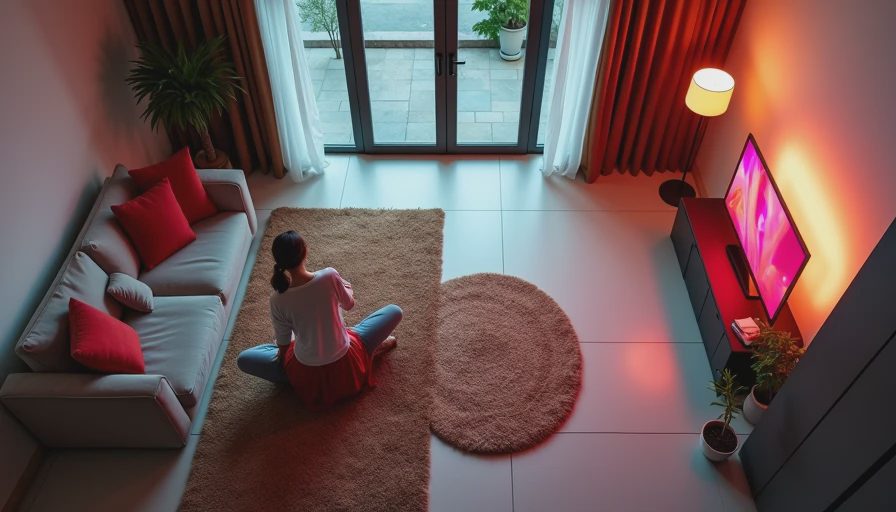
The most useful answer to how to add rugs to a minimalist room is to measure the furniture arrangement before shopping. A rug should support the grouping, not sit like a postage stamp underneath one coffee table. In a living room, I usually want at least the front legs of the sofa and chairs on the rug. If the room allows it, all four legs of smaller chairs can sit on the rug. That creates a connected zone instead of several unrelated objects.
For a typical apartment living room, an 8-by-10 rug is often more convincing than a 5-by-7, even if the room is modest. Measure the width of the sofa, then add roughly 18 to 24 inches on each side for breathing room. In a small rental, a 6-by-9 can work beautifully when the sofa is against a wall and the rug extends beneath its front legs.
Do not buy a rug because the listed dimensions sound generous. Tape the measurements on your floor with painter's tape. Walk around them for a day. This costs nothing and exposes the classic Decor Crime: a rug that leaves every chair floating in space.
Choose texture when color is quiet
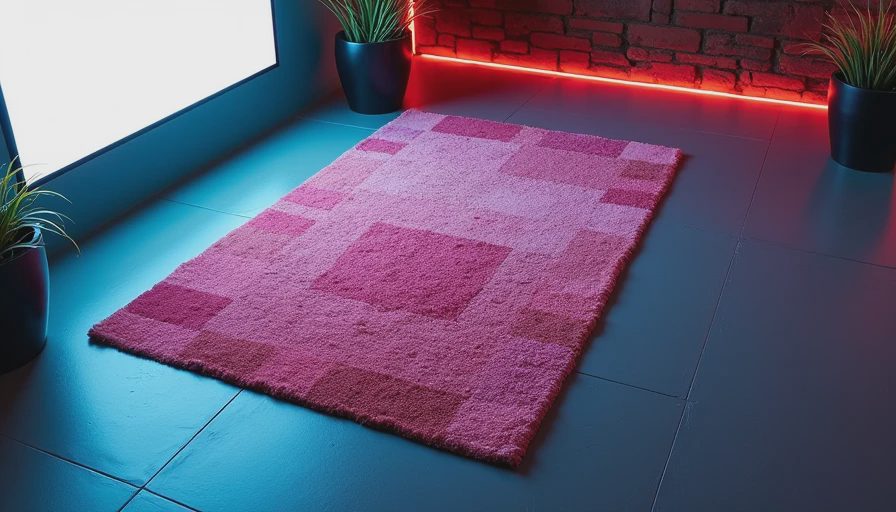
A minimalist room can handle a patterned rug, but it needs visual restraint somewhere else. If your walls, sofa, and curtains are all neutral, texture is usually the safer first move. A flatweave wool rug, a faded cotton dhurrie, or a low-pile geometric design adds interest without shouting for attention.
When people ask how to add rugs to a minimalist room, they often assume the answer is a solid cream rug. I disagree, especially in a real home with children, pets, or coffee. A subtle stripe, imperfect border, or small-scale diamond hides crumbs and gives the eye something to notice. My living room rug is a faded red-and-rust flatweave I found for $75. It has survived three years, two children, a cat, and a spilled bowl of tomato soup. The soup left no visible evidence. The white wool sample I nearly bought would have required a personal security detail.
Texture also changes how a room feels underfoot. Chunky high-pile rugs are pleasant beside a bed but can make a small living room look crowded. Low-pile rugs are easier under dining chairs and less annoying when a robot vacuum is involved. If you rent, check that doors clear the rug before committing to a thick style.
Use color as a bridge
The rug should not introduce a random color that appears nowhere else. Instead, repeat one existing shade in a quieter way. A rust rug can connect to a terracotta planter. A blue-gray pattern can echo a painted cabinet or a framed print. This is how to add rugs to a minimalist room without creating a new visual argument every time you look around.
I like rugs that contain two or three colors already present in the space, with one unexpected note. In my bedroom, a navy, cream, and mustard runner connects the dark wood dresser to a yellow linen throw. It cost $42 at a neighborhood thrift shop, and the slightly uneven edge is part of why it works. Everything does not need to match perfectly; it needs to make sense together.
Before buying, photograph your room in daylight and hold rug samples or online images against the photo. Screens lie about color, and overhead bulbs make beige look pink. If you shop used, ask for photos near a window and inspect the back for stains, moth damage, and a strong basement smell. A professional cleaning can run $50 to $100, which should be part of your price calculation.
Let one rug do the talking
A minimalist room usually benefits from one strong rug rather than several competing patterns. If the living room has a graphic rug, keep the adjacent runner simple. If the bedroom rug is richly colored, use a quieter mat in the bathroom. Repeating the exact pattern throughout the home is not necessary and can make the place feel staged.
This principle matters when figuring out how to add rugs to a minimalist room with an open floor plan. Use rugs to define zones, but leave visible floor between them. A 12-to-18-inch gap can make the dining and living areas feel separate without building an invisible wall. Align rug edges with furniture lines when possible. Crooked placement is more distracting than a slightly imperfect pattern.
Layering can work, but I would not start there. A small vintage rug over a larger natural-fiber base can look excellent, especially in a large room. It can also become a lumpy tripping hazard. Use a proper rug pad, keep the top rug substantially smaller, and avoid layering near doors or rolling chairs.
Buy used without bringing home a problem
Thrift stores, estate sales, and Facebook Marketplace are excellent sources because rugs often look better after a few years of gentle wear. Search for wool, cotton, and flatweave construction before chasing a particular designer label. A $90 vintage wool rug with minor fading can have more character than a $400 mass-produced style designed to look old.
Inspect both sides. Look for dry rot, unraveling edges, insect evidence, and stains that disappear only under flattering photography. Smell the rug outdoors if the seller allows it. I once bought a beautiful runner for $25 and discovered, three days later, that it smelled like a wet basement whenever the heat came on. It went straight back out the door.
For larger used rugs, budget for cleaning and transport. A folded 8-by-10 wool rug is heavy enough to make a compact car feel personally offended. Ask about fiber content before using any cleaner; wool and natural dyes need gentler treatment than synthetic polypropylene.
The practical finishing details
A rug pad is not glamorous, but it is the difference between a rug that stays put and one that migrates across the room. Choose a pad slightly smaller than the rug so it does not peek out. In a dining area, make sure the rug extends at least 24 inches beyond the table edge so chairs remain on the surface when pulled out.
For anyone still wondering how to add rugs to a minimalist room, my short checklist is simple: tape the dimensions, place the front furniture legs on the rug, repeat a color already in the room, inspect used rugs in daylight, and buy the pad before the rug arrives. Then live with the arrangement for a week before deciding it needs more decoration. Most rooms need better scale, not more stuff.
Taste is free. Everything else, we thrift.



Letters
No letters yet — be the first to write.